Can Ceramic Coating Be Applied to Powder-Coated Surfaces?
Powder-coated automotive parts can collect road grime, water spots, and stubborn deposits despite having a durable finish. At Apex Auto Shield, we understand the importance of maintaining these components alongside caring for painted bodywork. Can You Ceramic Coat Powder Coating? Certain ceramic coating products can be applied to compatible, fully cured powder-coated surfaces after suitable preparation. However, not every product or finish responds the same way. Application requirements depend on the existing surface, cleanliness, texture, and manufacturer instructions. Our professional ceramic coating services in Leander, TX, focus on documented automotive surfaces, while powder-coated component compatibility should be confirmed individually before any additional treatment is considered.
Can You Ceramic Coat Powder Coating Without Affecting the Existing Finish?
Adding protection over a powder-coated surface may be possible, but preserving the original appearance requires careful product selection. We emphasize that compatibility should never be assumed solely because a product works well on automotive paint.
Understanding Compatibility With Powder-Coated Surfaces
Some ceramic coating manufacturers specifically approve selected products for powder-coated surfaces. Others describe compatibility only with particular automotive finishes. We recommend checking the coating manufacturer's approved substrates, preparation instructions, and application limitations. A product intended for one surface might leave uneven results on another, especially where texture or existing treatments affect how it spreads.
Why the Condition of Powder Coating Is Important
We recognize that sound powder coating provides a more suitable starting point than a surface with peeling, blistering, or unstable areas. Additional protection cannot repair poor adhesion or restore a failing finish. Surface condition, contamination, and previous cleaning treatments must be considered before determining whether another product is appropriate.
Which Powder-Coated Automotive Surfaces May Be Suitable for Ceramic Coating?
Powder-coated components appear on different exterior vehicle areas, each exposed to different conditions. We focus on product compatibility and component use rather than treating every powder-coated part as an identical application.
Powder-Coated Wheels and Exterior Components
Wheels can accumulate brake dust, moisture, and road residue, making easier cleaning an appealing potential benefit. Certain compatible ceramic coatings may reduce how readily everyday grime adheres to properly prepared powder-coated wheels. Other exterior components may also be candidates, depending on their finish and the coating manufacturer's directions. Our advertised ceramic coating packages do not specifically include powder-coated wheels or accessories, so we recommend confirming eligibility before discussing treatment.
Why Surface Finish and Texture Matter
Smooth, textured, and satin-like powder-coated finishes can behave differently during application. Some coating formulations may deepen color or alter surface sheen, while others are formulated to retain the original appearance. We recommend checking finish-specific guidance and performing manufacturer-approved compatibility testing when necessary. Visual expectations should inform the choice alongside easier maintenance.
Why Is Proper Surface Preparation Important Before Ceramic Coating?
A compatible product still needs an appropriately prepared surface. We emphasize preparation because contamination and incomplete curing can interfere with uniform application and coating performance.
Removing Dirt, Grease, and Surface Contamination
Brake dust, oil, grease, old dressing products, and cleaning residue may remain on powder-coated surfaces. These materials should be removed using methods compatible with the original finish. We favor careful cleaning that leaves the component free of debris and unwanted residues, without aggressive treatment that could alter the surface. The selected ceramic coating's preparation instructions should guide the final cleaning steps.
Checking Whether the Powder Coating Is Fully Cured
Powder coating must satisfy its manufacturer's curing requirements before an additional treatment is considered. Proper curing involves specified temperatures and times, not one universal waiting period. We recommend confirming that a newly finished component is fully cured and ready for service. Applying a protective treatment too early can produce results that do not meet expectations, even when the ceramic product lists powder coating as a compatible substrate.
What Are the Benefits of Ceramic Coating Powder-Coated Surfaces?
When a ceramic coating is specifically compatible with the powder-coated finish, it may provide practical maintenance and appearance benefits. We emphasize realistic results rather than promises of complete protection against damage.
Easier Cleaning and Hydrophobic Performance
Hydrophobic performance encourages water to bead on treated surfaces and may make some deposits easier to remove during routine washing. This can be helpful for compatible wheels exposed to brake dust or road residue. In Leander, TX, regular driving can leave exterior components covered with dust and grime. A suitable coating may simplify maintenance, although prompt cleaning remains necessary when contaminants accumulate.
Maintaining Surface Appearance and Gloss
Some compatible treatments can enhance surface richness or help maintain an attractive finish. Their appearance will still depend on the powder coating underneath and the specific formulation applied. We recommend confirming whether the selected product changes sheen before treating specialty finishes. Ceramic coating does not repair existing defects, prevent every impact, or make normal washing unnecessary.
What Factors Affect Ceramic Coating Adhesion on Powder-Coated Surfaces?
Successful application depends on more than the label on a bottle. We recognize that surface chemistry, environmental conditions, and product instructions influence how a compatible ceramic treatment performs.
Powder Coating Composition and Surface Condition
Powder-coated finishes vary in formulation, texture, and existing surface treatments. These differences can influence wetting, application consistency, and adhesion of another product. Oils, polishing residue, or previously applied sealants may also interfere. We recommend following the ceramic product's compatibility guidance rather than using preparation procedures intended for a different finish.
Application Conditions and Product Compatibility
Temperature, humidity, surface dryness, and application technique can affect results. We emphasize observing the coating manufacturer's approved conditions, cure instructions, and surface limitations. An application approach suitable for glossy painted bodywork may not suit every textured powder-coated part. Where compatibility remains uncertain, it is more responsible to seek product-specific guidance than to promise uniform adhesion or durability.
When Should Ceramic Coating Be Avoided on Powder-Coated Surfaces?
Sometimes the best decision is to postpone additional protection. We recommend resolving underlying finish problems and confirming product suitability before pursuing cosmetic or maintenance improvements.
Damaged or Deteriorating Powder Coating
Peeling, blistering, corrosion beneath a finish, or widespread loss of adhesion can indicate problems that ceramic coating cannot resolve. Applying another layer does not stabilize an unsound surface. We recommend addressing necessary repair or refinishing first, rather than expecting a protective treatment to conceal deterioration. The condition of the original finish determines whether further treatment makes sense.
Incompatible Products and Specialty Finishes
An unsuitable coating may cause uneven appearance, unwanted sheen changes, or inconsistent performance. Certain textured or specialty finishes need product-specific approval and careful testing. We advise against treating uncertain surfaces simply because a ceramic product is advertised for automotive use. Confirming the actual substrate is essential before deciding how to proceed.
How Can Ceramic-Coated Powder-Coated Surfaces Be Maintained?
After a compatible application has fully cured, sensible maintenance helps preserve appearance and performance. We recommend following product-specific care instructions instead of assuming every treated part can withstand identical cleaning methods.
Choosing Suitable Cleaning Products
Gentle automotive cleaners and appropriate washing materials are generally preferable to harsh detergents or abrasive tools. We recommend removing brake dust, road deposits, and other contamination before buildup becomes difficult to manage. Cleaning should be appropriate for both the underlying powder-coated finish and the applied treatment. Even hydrophobic surfaces still require regular attention.
Protecting Coating Performance Over Time
Exposure, driving frequency, cleaning habits, and application quality can influence coating longevity. We recommend avoiding unsupported expectations about how long a product will perform on powder coating. Manufacturer instructions should determine acceptable cleaners, initial curing care, and maintenance requirements. Regular visual checks can help identify changes in surface appearance early.
Why Choose Apex Auto Shield for Professional Ceramic Coating in Leander, TX?
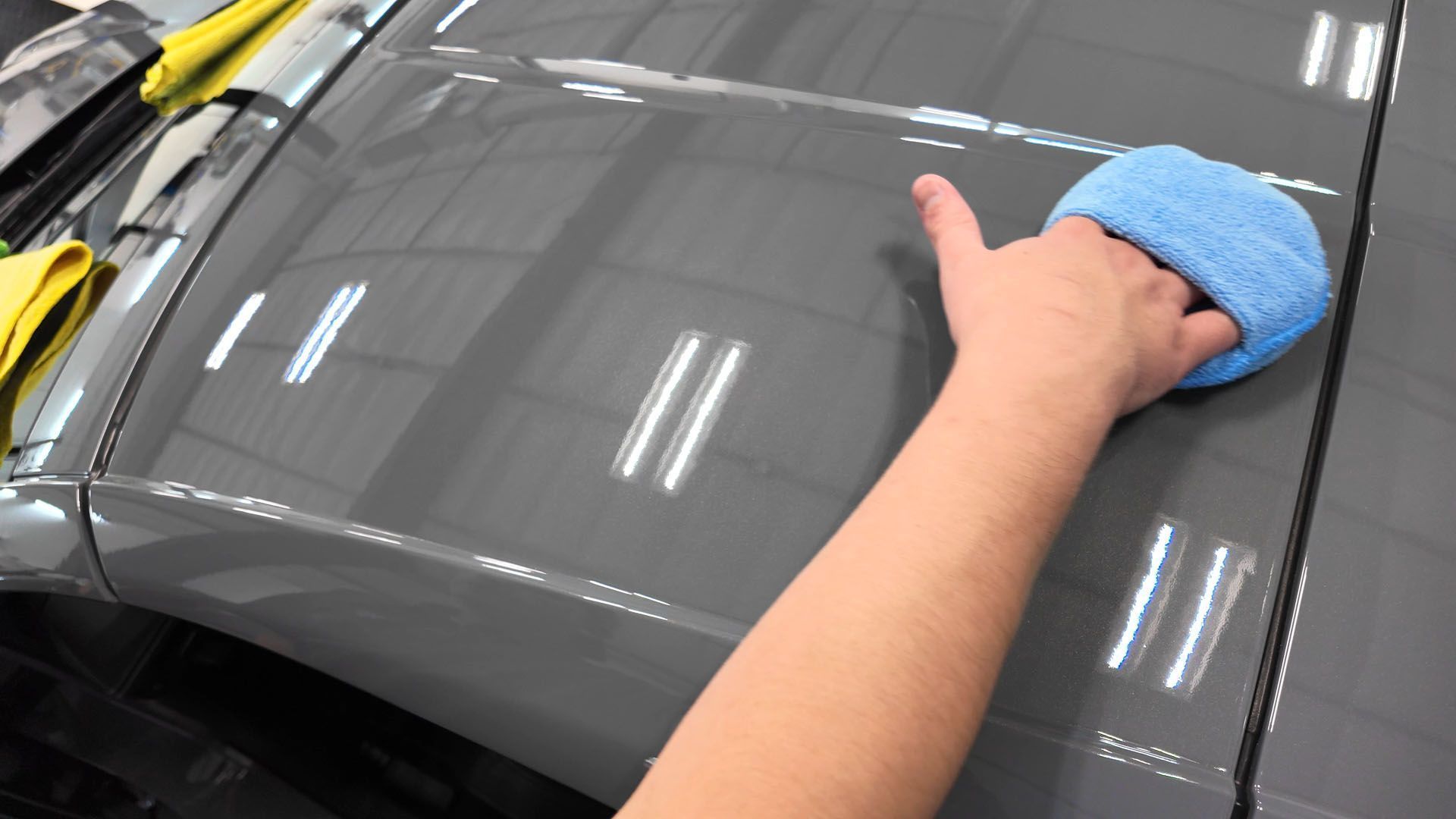
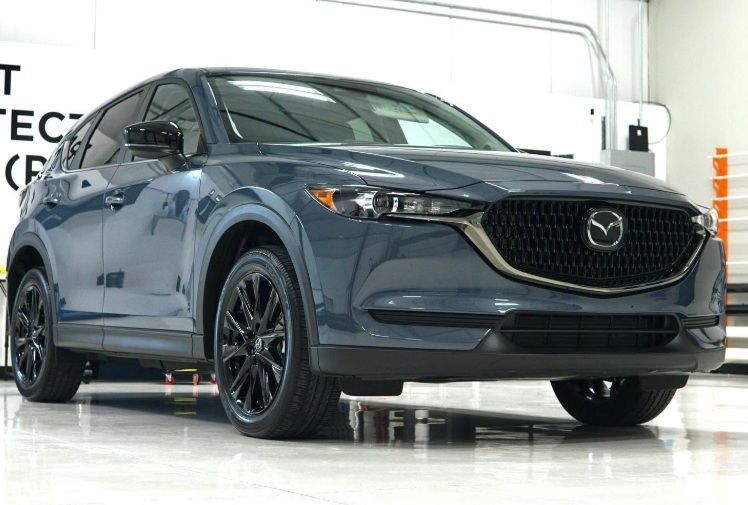
At Apex Auto Shield, we provide professional automotive ceramic coating services in Leander, TX, with preparation and packages tailored to vehicle finishes. Our published offerings specify covered surfaces, rather than automatically including every powder-coated component.
Professional Ceramic Coating Packages
Our Level 1 package includes XPEL Fusion Plus Lite, advertised as a one-year ceramic coating option. Level 2 uses XPEL Fusion Classic with a four-year option, while Level 3 uses XPEL Fusion Plus with an eight-year option. Our listed package coverage includes paint and bodywork, exterior vinyl and plastics, headlights, and taillights. Warranty details depend on applicable terms. Powder-coated components are not specifically listed in these packages.
Vehicle Preparation and Professional Application
Our Level 1 service includes an exterior decontamination wash and clay bar treatment. Levels 2 and 3 include Level 1 paint correction before ceramic coating application. We aim for consistent preparation and a refined appearance on the surfaces identified in our packages. We provide information about our professional ceramic coating services, including available packages and covered surfaces. We welcome questions about specific components, but powder-coated surface eligibility requires confirmation.
Explore Professional Ceramic Coating Services With Apex Auto Shield in Leander, TX
Can You Ceramic Coat Powder Coating? Yes, certain products are compatible with properly cured, clean, and sound powder-coated surfaces. Successful application depends on surface chemistry, finish texture, preparation, and the selected manufacturer's requirements. A compatible coating may simplify cleaning and help maintain appearance, but it cannot repair deterioration or replace regular care.
At Apex Auto Shield, we provide professional automotive ceramic coating packages in Leander, TX, with clearly described coverage and preparation services. Our published packages address specified vehicle surfaces; they do not independently establish that every powder-coated wheel or accessory is eligible. We believe accurate compatibility guidance is essential before recommending any surface treatment.
Contact Apex Auto Shield today to discuss our ceramic coating services in Leander, TX, explore the listed packages, and ask whether a particular powder-coated component can be considered for treatment.
Get a QUICK QUOTE TODAY
General Contact