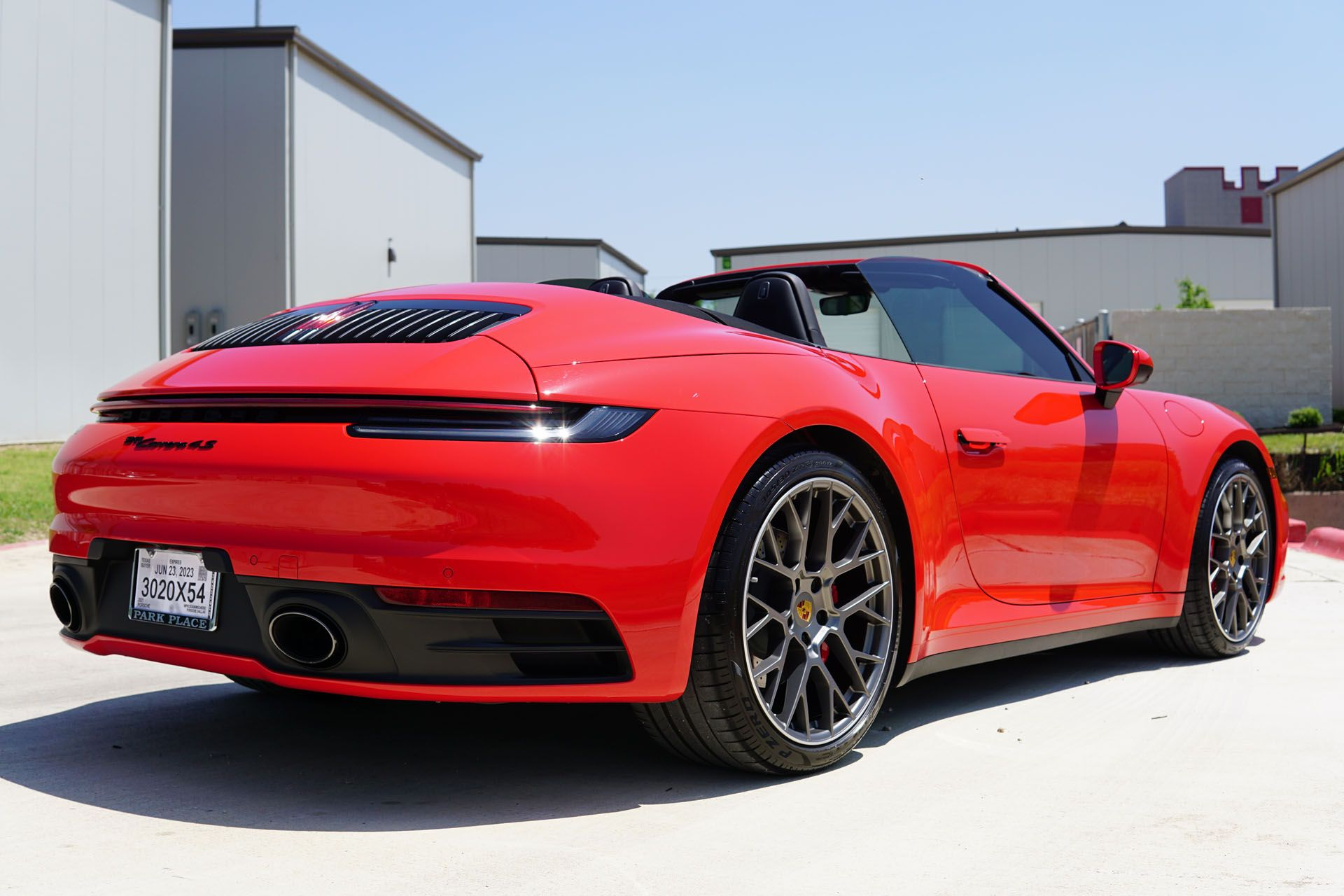
Why PPF May Need Extra Care on White and Light-Colored Vehicles
White and light-colored vehicles create a distinctive, clean appearance, but keeping that appearance consistent requires attention to small details. Dust along film edges, dark road residue, and water spots can stand out against pale paint, even when the protective film remains in good condition. At Apex Auto Shield in Leander, TX, we understand why these visual differences matter to owners who value a polished finish.
When discussing PPF for White Cars, we focus not only on the initial appearance but also on the care needed after installation. Regular cleaning, appropriate products, and timely attention to contamination can help preserve a clear and uniform look.
Why White and Light-Colored Vehicles Show PPF Imperfections More Easily
Light paint can make minor changes in cleanliness easier to notice. We consider how surface contaminants contrast with light-colored paint when discussing ongoing film care. An issue that blends into dark paint may become more apparent on a white hood or bumper.
Greater Visibility of Dirt and Surface Contamination
Dark dust, road film, bug residue, and greasy deposits often create a sharper contrast against white, cream, or silver paint. These marks do not necessarily indicate damage to the film. Many are simply contaminants on the outer surface. However, allowing them to accumulate can make a vehicle appear unevenly maintained, particularly when one section collects more residue than another.
How Lighting and Paint Color Affect Film Appearance
Direct sunlight and changing viewing angles can draw attention to a dirty edge or a patch of residue. A freshly cleaned panel next to a contaminated area may also make the difference more obvious.


How Dirt and Debris Accumulate Around PPF Edges
Film boundaries deserve particular attention on white vehicles because a narrow line of dirt can be clearly visible against light paint.
Why PPF Edges Can Develop Visible Dirt Lines
Small particles and washing residue may settle near exposed film boundaries over time. If cleaning does not reach these areas gently and consistently, buildup can form a faint or dark outline. Often, the contrast between the deposit and the surrounding paint simply makes the boundary easier to see. Careful maintenance helps prevent the line from becoming more pronounced.
Common Areas Where Edge Buildup Becomes Noticeable
Depending on the coverage and vehicle design, boundaries may be present around sections of the hood, bumper, fenders, or mirrors. Curved areas and panel transitions can also collect roadway grime. We pay attention to the actual coverage layout because every vehicle presents different cleaning access points.
Why Aggressive Edge Cleaning Can Cause Problems
Strong rubbing, pointed tools, or directing concentrated high-pressure water toward an exposed edge can create unnecessary risk. We favor gentle methods that remove loose residue without disturbing the boundary. When buildup remains firmly attached or an edge appears lifted, we recommend professional assessment rather than forceful cleaning that could make the condition worse.
Common Stains and Contaminants That Affect PPF on White Cars
Not every visible mark has the same cause. We look at the type of deposit, how long it has remained on the vehicle, and whether it sits on the surface or appears to involve the film itself.
Bug Residue, Bird Droppings, and Organic Contamination
Organic deposits can become more difficult to remove when left on a vehicle, especially after exposure to heat. We recommend prompt, gentle cleaning with materials appropriate for the installed film. Letting a suitable cleaning solution soften a deposit is preferable to scraping it away.
Road Tar, Grease, and Traffic Film
Dark specks and greasy residue are especially visible on pale paint. Some deposits need more attention than an ordinary wash provides, but stronger chemicals are not automatically the right answer. We advise confirming product compatibility before attempting targeted removal.
Water Spots and Mineral Deposits
Water left to dry on a vehicle may leave mineral residue, particularly after repeated exposure. Those deposits can interrupt the uniform appearance of an otherwise clean panel. We emphasize thorough rinsing and gentle drying after washing to reduce the opportunity for visible spotting.
Surface Staining Versus Film Discoloration
A removable deposit is different from a change in the film's own appearance. We avoid assuming that a persistent mark is ordinary dirt or that every change in color indicates permanent damage. If a spot remains after proper cleaning, professional inspection can help determine whether additional cleaning or corrective attention is necessary.
Proper Washing Techniques for White and Light-Colored Vehicles With PPF
Consistent washing is one of the most practical ways to manage visible dirt and edge buildup. For PPF for White Cars, we prioritize methods that clean the surface without adding unnecessary stress to the film. The appropriate routine should also reflect the installer's aftercare guidance.
Choose PPF-Safe Car Washing Products
We recommend using automotive wash products identified as compatible with the installed film, along with clean, soft washing materials. A product designed for general heavy-duty cleaning may not suit a protected finish. Checking the instructions matters because formulation and application methods vary.
Remove Dirt Without Damaging the Film
A preliminary rinse helps move loose particles away before direct washing begins. We favor gentle contact and clean materials rather than repeatedly rubbing a contaminated area. Working methodically across the vehicle can also reduce the chance of transferring collected grit from one section to another.
Pay Special Attention to Film Edges and Seams
Edges benefit from deliberate but light cleaning. We avoid pulling at boundaries or aiming concentrated pressure beneath them. If dirt remains along a film edge, applying additional pressure may increase the risk of lifting or damaging the film.
Dry the Vehicle Thoroughly After Washing
Drying is especially important when a pale finish shows leftover water marks clearly. We recommend gently drying the panels with clean, soft materials to prevent water from collecting on the surface. Attention to transitions, mirrors, and nearby edges helps limit drips that could leave fresh deposits after the main surface has dried.
How to Reduce Staining and Maintain PPF Clarity Over Time
Long-term appearance depends on habits between full washes as much as the wash itself. We recommend treating new contamination promptly and keeping care methods consistent with the particular film.
Remove Contaminants Before They Become Difficult to Clean
Road grime, organic deposits, and mineral residue should not be ignored simply because the vehicle still looks clean from a distance. On white paint, small areas can become more noticeable as buildup increases. We encourage timely removal using approved methods, especially when fresh deposits are easy to address without prolonged rubbing.
Avoid Harsh Chemicals and Abrasive Cleaning Methods
Strong solvents, rough pads, and unsuitable polishing products can compromise appearance or place stress on film boundaries. We prefer checking product directions and compatibility rather than experimenting with an aggressive cleaner on a visible mark.
Follow Film-Specific Aftercare Recommendations
Film products and installation circumstances can have different care requirements. We emphasize following the applicable instructions for initial curing, washing, chemical use, and ongoing upkeep.
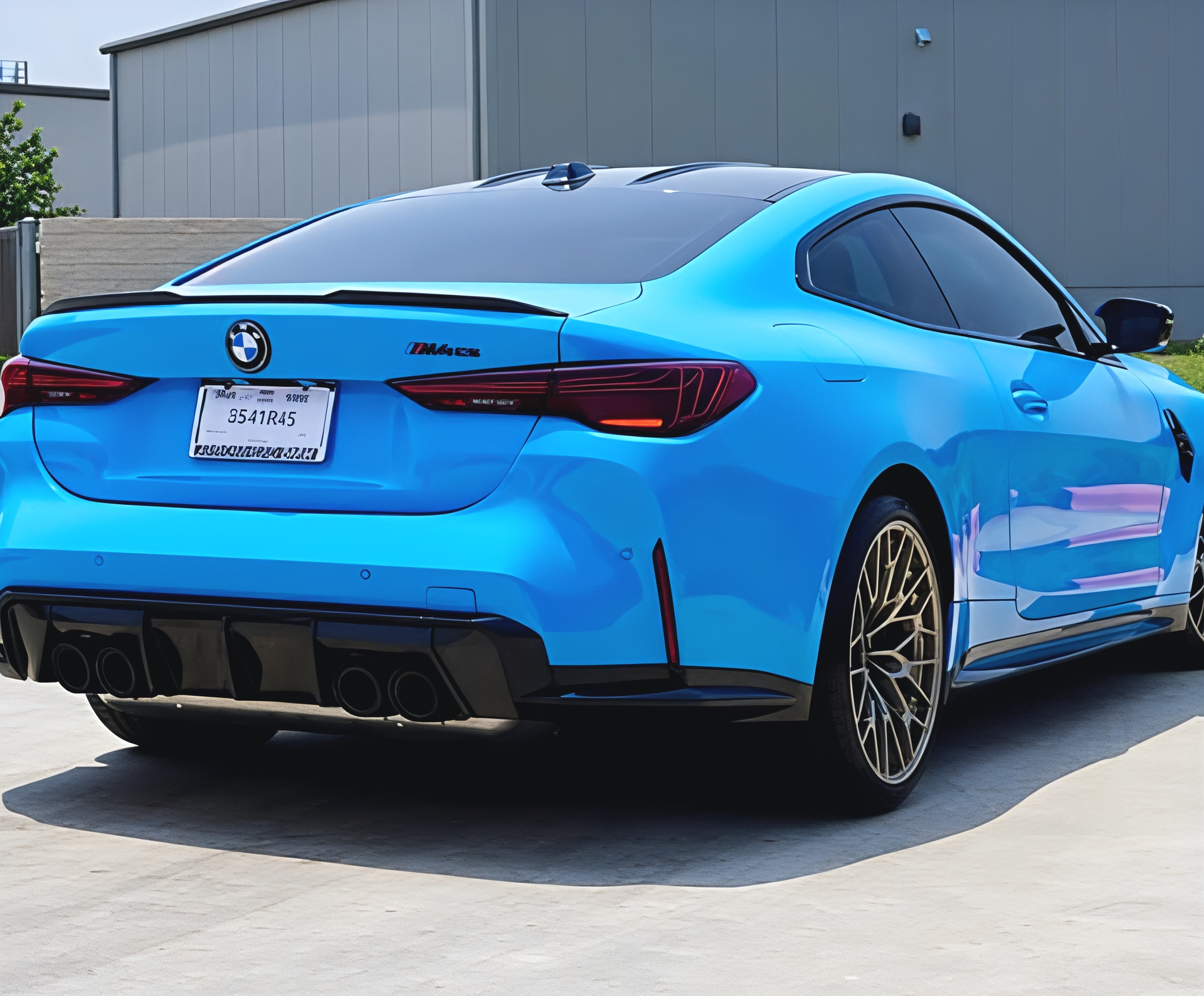

When Should PPF on a White Vehicle Be Professionally Inspected?
Regular maintenance cannot resolve every appearance concern. We recommend professional assessment when a visible change persists despite appropriate cleaning or when the physical condition of a film boundary appears different from before.
Persistent Stains, Discoloration, or Cloudiness
A mark that remains after compatible cleaning may require a closer look. We consider whether contamination remains on the exterior surface or whether the film's appearance has changed. Identifying that distinction helps establish a suitable next step without promising that every visible issue can be removed through washing.
Lifting Edges or Trapped Contamination
A raised boundary, unusual line beneath the film, or suspected trapped material should be examined carefully. Trying to press, scrape, or peel the area without proper assessment may worsen the condition. We recommend allowing qualified installers to evaluate these concerns before any corrective action is attempted.
Professional PPF Care for White and Light-Colored Vehicles in Leander, TX
At Apex Auto Shield, we provide paint protection film installation and professional vehicle detailing in Leander, TX. We emphasize careful preparation, precise installation, and professional detailing to help preserve vehicle appearance. Those priorities are particularly relevant when light-colored paint makes small differences in cleanliness more visible.
We understand that appropriate care continues after the installation appointment. Our team can discuss the film service and the recommended approach to maintaining protected surfaces. When visible residue or an apparent film issue raises questions, we believe in understanding the condition before deciding how it should be addressed.
Keep Your White Vehicle's PPF Looking Clean With Apex Auto Shield
White and light-colored vehicles often reveal dirt lines, water deposits, and stubborn surface marks more readily than darker finishes. Gentle washing, attention to film edges, timely contaminant removal, and appropriate product selection all contribute to a more consistent appearance.
At Apex Auto Shield, we bring our paint protection film and vehicle detailing expertise to drivers in Leander, TX. We focus on precision and appropriate aftercare recommendations to help maintain the vehicle's protected finish. To discuss our PPF services and suitable aftercare,
contact Apex Auto Shield.
Get a QUICK QUOTE TODAY
General Contact