Paint Protection Film vs Ceramic Coating: What’s the Difference?
Keeping a vehicle looking clean and protected takes more than regular washing. Daily driving exposes paint surfaces to road debris, UV rays, dirt buildup, water spots, and environmental contaminants that slowly affect the vehicle’s finish over time. That is why many car owners compare PPF vs ceramic coating when searching for long-term exterior protection.
Although both solutions are designed to preserve vehicle paint, they work in very different ways and provide different levels of protection. Understanding how each option performs helps drivers choose the right solution based on their driving habits, maintenance expectations, and overall protection goals. At Apex Auto Shield, vehicle owners can explore advanced paint protection solutions designed to help maintain appearance and surface durability for years.
Understanding the Purpose of Paint Protection
Before comparing the differences between these two services, it is important to understand why paint protection matters in the first place. Vehicle paint constantly faces exposure from outdoor conditions, highway driving, changing temperatures, and airborne contaminants. Over time, these elements can gradually reduce gloss and affect the overall appearance of the exterior surface.
Modern protection systems are designed to create an additional layer between the paint and outside elements. This protective barrier helps reduce surface wear while making the vehicle easier to maintain. When discussing PPF vs ceramic coating, the main difference comes down to the type of protection each product provides and how that protection interacts with the vehicle’s surface during daily use.
What Is a Paint Protection Film?
Paint protection film, commonly known as PPF, is a transparent urethane film professionally installed over painted vehicle surfaces through a professional paint protection film service. The film is engineered to absorb impact from road debris and reduce direct contact with the original paint underneath. Many drivers choose PPF because it offers strong physical protection while remaining nearly invisible after installation.
The paint protection film installation process begins with a detailed surface preparation stage to ensure the paint is completely clean before the film is applied. Once the surface is prepared, the film is carefully aligned and installed over high-impact areas such as the hood, fenders, mirrors, front bumper, and doors. Proper installation is essential because the film must bond smoothly without imperfections or trapped debris beneath the surface.
One major advantage of PPF is its self-healing capability. Minor swirl marks and light surface imperfections can gradually disappear when exposed to heat, helping the vehicle maintain a cleaner appearance over time. This feature makes paint protection film especially valuable for drivers who frequently travel on highways or drive in areas with increased road debris exposure.
What Is Ceramic Coating?
While paint protection film focuses on physical impact resistance, ceramic coating works differently by creating a liquid protective layer over the paint surface. Ceramic coating bonds with the exterior and creates a hydrophobic finish that helps repel water, dirt, and environmental contaminants.
The ceramic coating process begins with paint preparation and surface correction to remove imperfections before application. Once the surface is properly prepared, the coating is applied by hand and allowed to cure. After curing, the coating forms a hardened protective layer that enhances gloss while improving surface resistance against contaminants and oxidation.
Many vehicle owners compare PPF vs ceramic coating because ceramic coatings provide excellent shine and simplify maintenance. Water tends to bead and slide off the surface more easily, which helps reduce dirt buildup and makes washing more efficient. Although ceramic coating improves surface durability, it does not provide the same level of impact resistance as paint protection film.
Comparing Protection Levels Between PPF and Ceramic Coating
When evaluating PPF vs ceramic coating, one of the biggest distinctions involves the level of protection offered against physical damage. Paint protection film acts as a thicker barrier capable of absorbing impacts from road debris and other surface hazards encountered during daily driving. This added layer helps reduce direct contact between external elements and the paint itself.
Ceramic coating, on the other hand, focuses more on chemical resistance and surface enhancement. It helps protect against contaminants such as bird droppings, water spots, dirt, and UV exposure, but it does not provide substantial protection against rock chips or stronger physical contact. Drivers seeking maximum defense against roadway conditions often prioritize paint protection film because of its ability to withstand more aggressive exposure.
The right option depends largely on how the vehicle is used. Drivers who spend significant time on highways may benefit more from the thicker barrier created by PPF, while drivers primarily focused on gloss enhancement and easier maintenance may prefer ceramic coating.
Appearance and Finish Differences
Visual appearance is another important factor when comparing PPF vs ceramic coating. Both options improve the look of the vehicle, but they create slightly different results depending on the desired finish.
Paint protection film maintains the factory appearance while adding an extra layer of protection over the surface. High-quality films are designed to remain nearly invisible, allowing the original paint color and finish to show naturally underneath. Some film options also offer matte finishes for drivers seeking a more customized appearance.
Ceramic coating is widely known for enhancing gloss and creating a deep reflective shine. After application, the paint often appears smoother and richer because the coating intensifies surface clarity. Many drivers choose ceramic coating specifically for the enhanced visual effect it provides after professional installation.
For vehicle owners focused on preserving the original finish while minimizing visible wear, PPF may offer greater long-term surface preservation. For those prioritizing gloss and surface slickness, ceramic coating delivers strong aesthetic enhancement.
Maintenance Expectations After Installation
Both protection systems help reduce maintenance demands, but the long-term care process differs between the two. Understanding these differences helps drivers make informed decisions when choosing between PPF and ceramic coating.
Paint protection film helps shield the paint from physical wear, but the surface still requires proper washing and maintenance to preserve clarity and cleanliness. Routine cleaning helps remove contaminants that accumulate during regular driving. Because the film acts as a sacrificial layer, it continues protecting the paint even as the exterior surface encounters normal environmental exposure.
Ceramic coating simplifies cleaning because contaminants are less likely to bond strongly to the surface. Water beads quickly and washes away more easily, helping maintain a cleaner appearance between washes. However, ceramic coatings still require regular maintenance to preserve performance and long-term durability.
In many cases, drivers combine both services by installing paint protection film in high-impact areas and applying ceramic coating over the remaining surfaces. This approach allows the vehicle to benefit from impact resistance while also gaining hydrophobic properties and gloss enhancement.
Which Option Is Better for Long-Term Vehicle Protection?
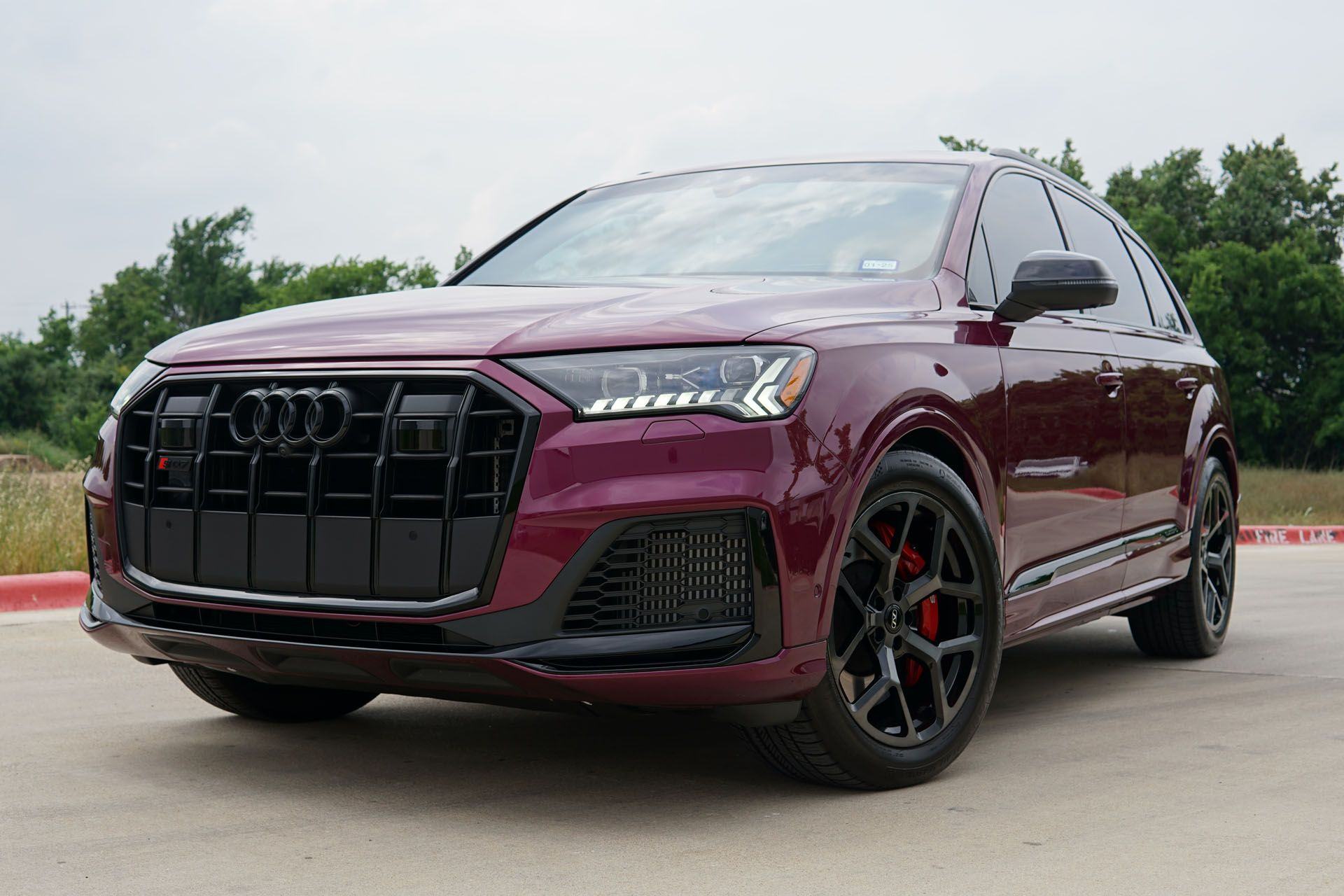
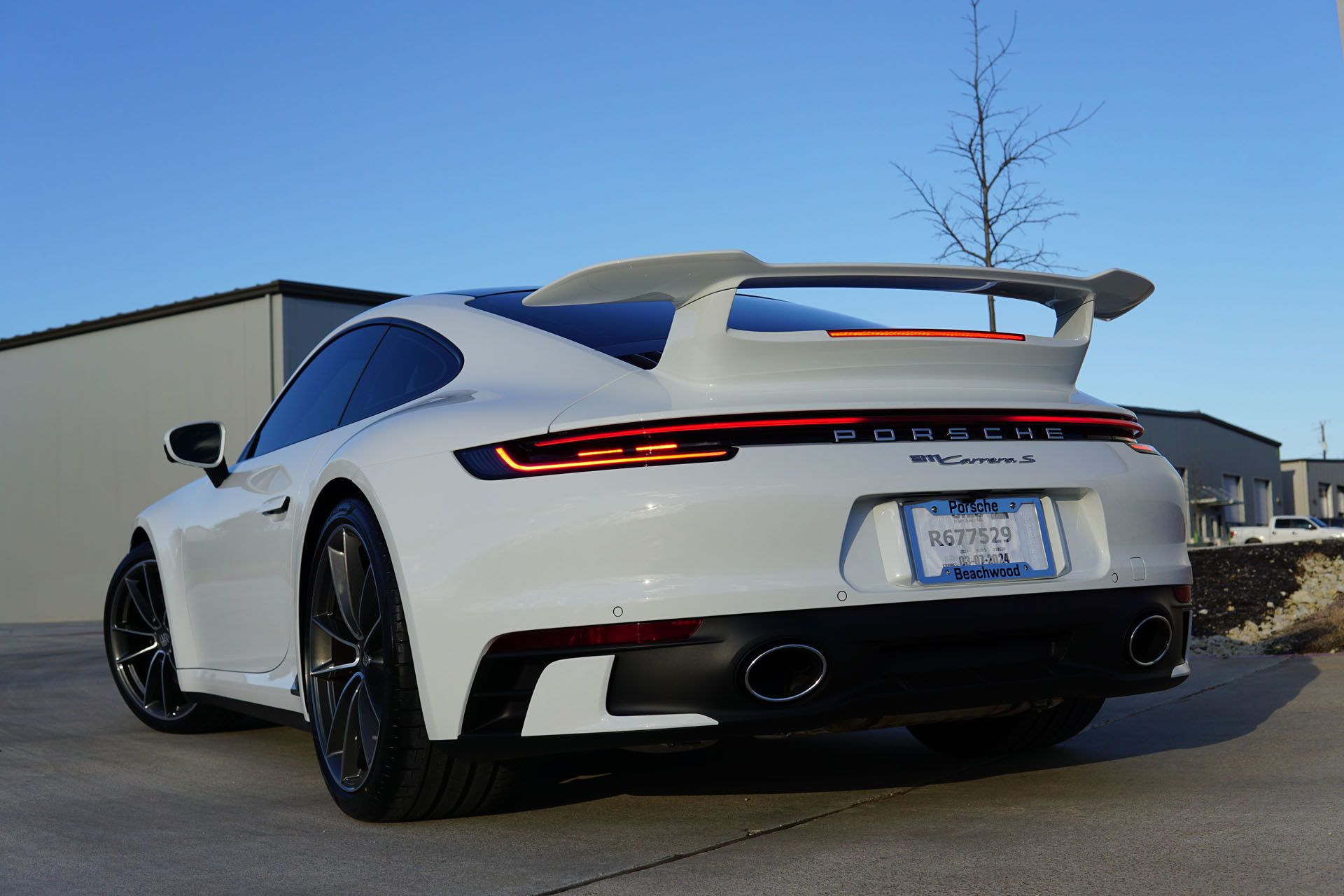
Choosing between PPF vs ceramic coating depends on the type of protection the vehicle requires and the owner’s overall priorities. Paint protection film is often selected by drivers looking for stronger protection against road hazards, especially for newer vehicles or vehicles driven frequently on highways. The thicker protective layer helps preserve paint condition while reducing visible wear over time.
Ceramic coating is commonly chosen by drivers who want easier maintenance, improved gloss, and additional environmental protection. The coating enhances the appearance of the vehicle while helping reduce the accumulation of contaminants that affect surface cleanliness.
For many vehicle owners, the ideal solution involves combining both systems. Paint protection film can be installed on the most vulnerable areas, while ceramic coating can be added to create additional surface protection and visual enhancement across the entire vehicle.
Why Professional Installation Matters
No matter which protection option is selected, professional installation plays a major role in achieving proper results. Surface preparation, product quality, and installation accuracy directly affect durability, appearance, and long-term performance.
With paint protection film, proper alignment and application help ensure smooth coverage without lifting or visible imperfections. With ceramic coating, the curing process and paint preparation stages are essential for achieving consistent bonding and lasting protection. Professional installers use specialized techniques and controlled processes to maximize performance while maintaining the appearance of the vehicle’s finish.
At Apex Auto Shield, drivers can explore protection solutions designed to help preserve vehicle appearance while improving long-term exterior durability.
Conclusion
Understanding the difference between PPF and ceramic coating helps vehicle owners choose the right level of protection for their driving needs and maintenance preferences. Paint protection film focuses on defending against physical damage and road debris, while ceramic coating enhances gloss and helps repel contaminants for easier upkeep.
Both options provide valuable protection benefits, but they serve different purposes depending on the vehicle’s exposure and owner expectations. Whether used individually or together, professional paint protection solutions help preserve the appearance, finish, and overall condition of a vehicle for the long term. If you want to explore the right protection option for your vehicle,
contact us today to learn more about available paint protection solutions.
Get a QUICK QUOTE TODAY
General Contact