Understanding How Ceramic Coating Bonds to Vehicle Paint
Protecting vehicle paint has become an important priority for drivers who want to maintain long-term gloss and exterior durability. Constant exposure to sunlight, moisture, dust, road contaminants, and changing weather conditions can slowly affect the surface of a vehicle over time. That is why many vehicle owners invest in professional ceramic coating solutions designed to create a stronger layer of protection over painted surfaces.
One of the most important parts of the process is ceramic coating bonding. The way the coating adheres to the paint determines how effectively it performs and how long the protection lasts. A properly bonded coating creates a smoother and more durable surface that helps maintain the appearance of the vehicle while supporting easier maintenance and long-term paint preservation.
The Reason Surface Bonding Matters in Ceramic Coating
Before ceramic coating is applied, it is important to understand why bonding plays such a critical role in the overall process. Ceramic coatings are not designed to simply sit loosely on the exterior surface. Instead, they are formulated to attach closely to the paint and form a durable protective layer that remains connected to the vehicle after curing.
Strong ceramic coating bonding helps improve protection against environmental contaminants, oxidation, moisture exposure, and surface buildup that develops during regular driving conditions. Once the coating bonds successfully, the vehicle gains a smoother finish that allows water and debris to move away more easily from the surface.
Without proper bonding, the coating may not cure evenly or provide consistent performance over time. That is why professional ceramic coating services place heavy focus on paint preparation, controlled application, and careful curing procedures before the vehicle is returned to the owner.
How Ceramic Coating Creates a Protective Surface Layer
To better understand ceramic coating bonding, it helps to know how ceramic coating behaves once applied to the vehicle. Ceramic coating is a liquid protective solution designed to spread evenly across painted surfaces before gradually hardening into a durable outer layer.
Once installed correctly, the coating forms a semi-permanent barrier that becomes closely connected to the paint underneath. This added layer helps reduce direct exposure between the original paint and outside contaminants encountered during daily driving. The hardened finish also improves surface smoothness while supporting long-term gloss retention.
Unlike temporary surface products that wear away quickly after repeated exposure to weather conditions, ceramic coating remains attached to the paint once the bonding process is completed correctly. This is one of the main reasons ceramic coating has become a preferred paint protection solution for many vehicle owners.

Preparing the Paint Before Ceramic Coating Installation
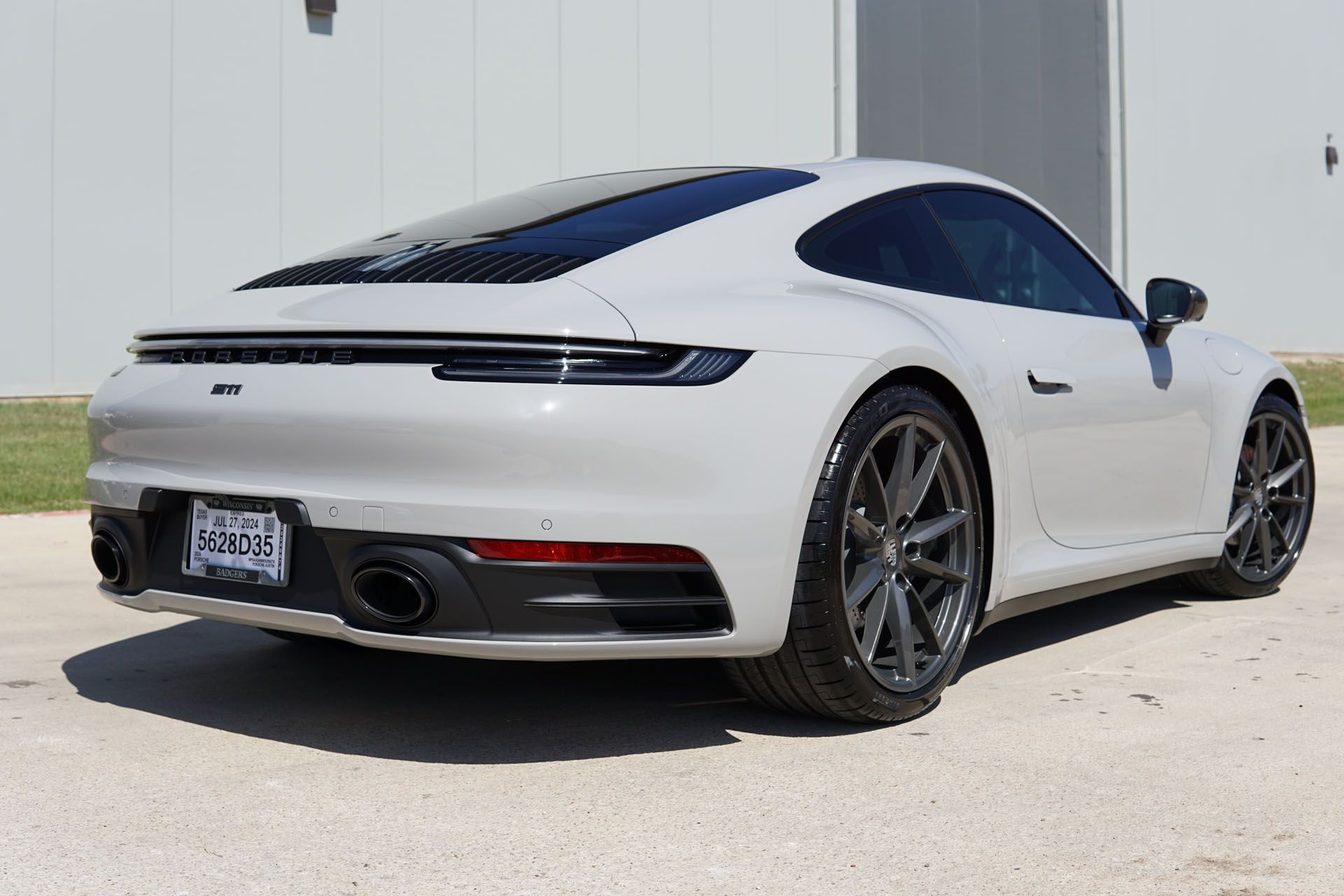
Before ceramic coating bonding can happen properly, the vehicle must go through a detailed preparation process. Surface preparation is one of the most important stages because the coating bonds best when applied to a completely clean and properly treated surface.
The process usually begins with a full exterior cleaning designed to remove dirt, oils, residue, and environmental contaminants from the paint. After cleaning, the paint surface is carefully inspected to ensure there are no remaining particles or imperfections that could interfere with the coating during application.
Once preparation is completed, the vehicle becomes ready for ceramic coating installation. A properly prepared surface allows the coating to bond more evenly across the paint while supporting a smoother and more consistent finish. Professional preparation also improves long-term coating durability because the protective layer can attach directly to clean paint without contamination trapped underneath.
What Happens During the Ceramic Coating Bonding Process
After preparation is complete, the ceramic coating bonding stage begins. During installation, the coating is carefully applied section by section across the vehicle exterior. The liquid solution spreads evenly over the paint before gradually reacting with the surface underneath.
As the coating settles, it begins forming a close connection with the paint itself. This process allows the protective layer to harden and develop the durable characteristics associated with ceramic coating systems. Timing and application accuracy are extremely important because uneven coverage can affect the final appearance and performance of the coating.
Once bonding begins, the coating starts creating a smoother exterior finish that helps improve gloss and supports easier maintenance. Water and contaminants become less likely to remain attached to the surface, helping the vehicle maintain a cleaner appearance between washes.
Professional installation is important during this stage because temperature, humidity, and environmental conditions all influence how effectively the coating bonds and cures after application.
Why the Curing Stage Is Essential for Long-Term Results
After the coating has been applied, the curing process becomes one of the most important parts of ceramic coating bonding. During curing, the coating continues hardening and strengthening its connection to the vehicle paint. This stage allows the protective layer to fully develop its durability and surface resistance.
Curing does not happen immediately after installation. The coating requires time to settle properly while environmental conditions remain controlled throughout the process. Exposure to moisture or outside contaminants during this period may interfere with the bonding stage before curing is fully complete.
As the coating finishes curing, the surface gradually develops the smooth texture and glossy finish commonly associated with ceramic coating protection. The hardened layer also becomes more resistant to dirt buildup, oxidation, and environmental exposure that regularly affect unprotected paint surfaces.
Because curing directly impacts the performance of the coating, professional ceramic coating services carefully manage this stage to help achieve long-lasting protection and consistent surface quality.
How Bonded Ceramic Coating Supports Paint Protection
Once ceramic coating bonding has fully developed, the vehicle gains an added layer of exterior protection that helps preserve the condition of the paint during everyday driving conditions. The coating acts as a barrier between the paint and many environmental contaminants that contact the vehicle regularly.
Water moves away from the surface more efficiently due to the hydrophobic properties created during the bonding process. Dirt and road grime also become easier to remove because contaminants are less likely to attach strongly to the coated surface. This helps support a cleaner appearance while simplifying routine maintenance.
In addition to easier cleaning, ceramic coating bonding helps reduce the impact of oxidation caused by long-term sunlight exposure. The coating helps preserve paint clarity and surface gloss while supporting the overall appearance of the vehicle exterior.
Although ceramic coating provides durable protection, routine maintenance still plays an important role in preserving coating performance and long-term appearance over time.

Factors That Affect Ceramic Coating Bonding Quality
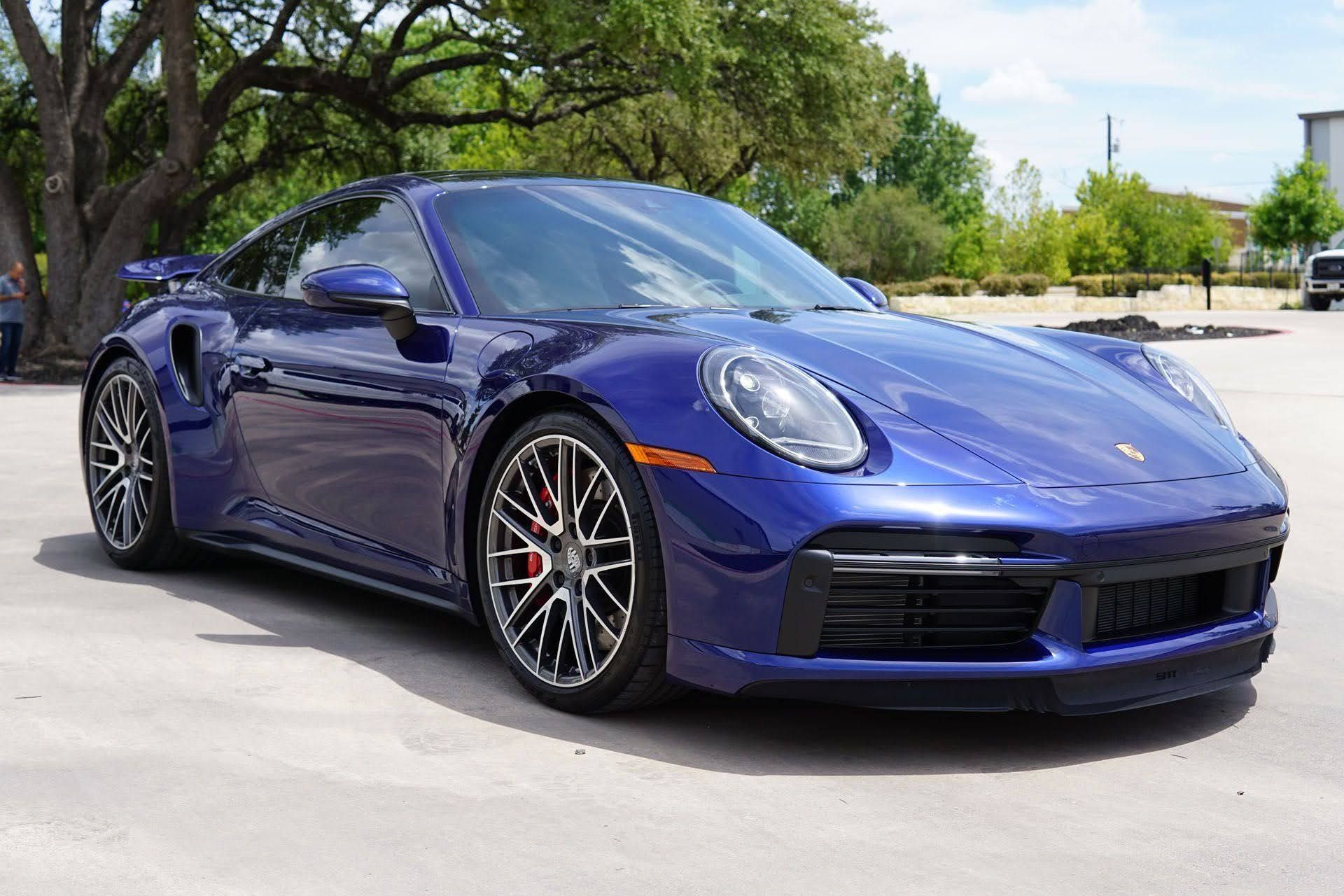
Several important conditions influence how successfully ceramic coating bonding develops during installation. Surface cleanliness remains one of the biggest factors because any remaining residue or contamination may interfere with proper adhesion across the paint.
Environmental conditions during application also affect coating performance. Temperature and humidity influence how quickly the coating reacts and cures once applied to the vehicle. Controlled working conditions help installers achieve more consistent bonding results while reducing the risk of uneven curing.
Application technique is another important factor because the coating must be spread evenly and carefully throughout each stage of installation. Professional ceramic coating services focus on consistency and precision to help maximize durability, gloss, and overall surface quality after curing is completed.
The Importance of Professional Ceramic Coating Services
Because ceramic coating bonding depends heavily on preparation, installation accuracy, and curing conditions, professional application remains essential for achieving reliable long-term results. Experienced installers understand how different paint surfaces react during the bonding process and how to manage coating application properly.
Professional ceramic coating services help ensure the paint surface is prepared thoroughly before installation begins. Proper preparation allows the coating to bond more effectively while supporting smoother and more durable protection across the vehicle exterior.
At Apex Auto Shield, ceramic coating installation services are designed to help vehicle owners protect their paint while maintaining long-term gloss and exterior durability. Careful attention to bonding, curing, and surface preparation helps create a cleaner and more refined finish that supports lasting protection.
Conclusion
Understanding ceramic coating bonding helps vehicle owners recognize why preparation, curing, and professional installation all play important roles in paint protection performance. The bonding process allows the coating to connect closely with the vehicle surface, creating a durable protective layer that supports gloss retention and environmental resistance.
When installed correctly, ceramic coating helps preserve paint appearance while improving surface smoothness and long-term maintenance efficiency. Professional ceramic coating services help ensure the bonding process is completed properly for reliable and lasting exterior protection.
Contact Apex Auto Shield today to learn how professional ceramic coating services can help protect your vehicle with long-lasting gloss, improved surface durability, and easier maintenance.
Get a QUICK QUOTE TODAY
General Contact