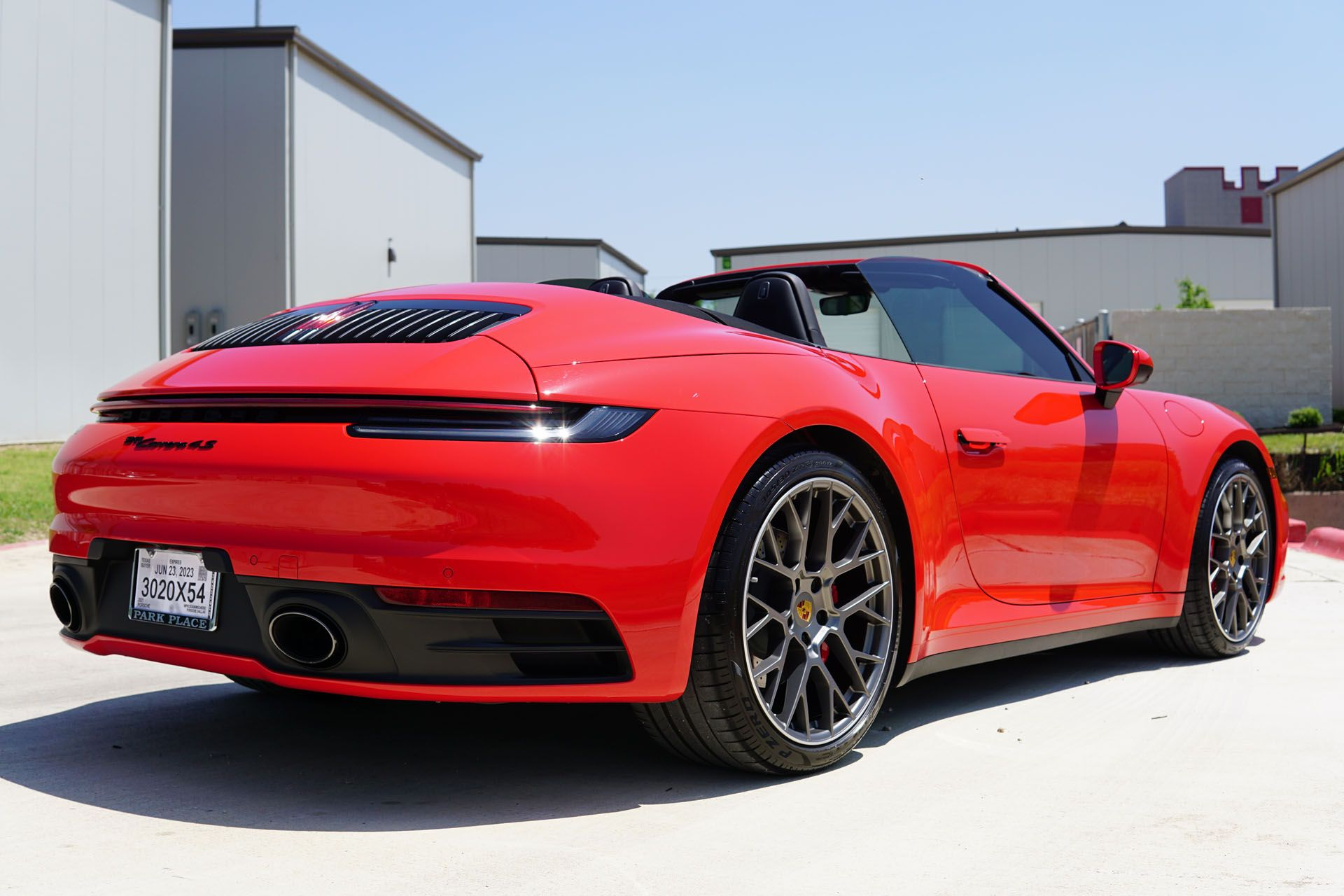
How Window Tint Helps Maintain Interior Material Condition
Over time, vehicle owners in Leander may notice fading, dryness, discoloration, or wear developing across seats, dashboards, door panels, and other interior surfaces. Continuous sunlight and heat exposure can gradually affect these materials, especially when a vehicle is regularly parked outdoors.
Window tint interior care can help reduce the amount of ultraviolet radiation and solar heat entering through treated glass. This added protection may slow visible deterioration and help interior materials maintain a cleaner, better-preserved appearance. At Apex Auto Shield, window tinting is a practical option for Leander drivers who want to support long-term interior protection and improve cabin comfort.
How Sun Exposure Affects a Vehicle’s Interior Over Time
Some ultraviolet radiation and solar energy can pass through untreated automotive glass and reach the seats, dashboard, door panels, and trim. This exposure does not usually cause noticeable damage immediately, but its effects may build gradually through repeated daily contact.
The amount of wear depends on several factors, including the material quality, vehicle age, storage conditions, maintenance routine, and total time spent in direct sunlight. Window film can help reduce this exposure, although it does not eliminate the effects of heat, age, or everyday use.
Why Texas Sun Makes Interior Protection Important
Leander’s hot and sunny conditions can expose vehicle interiors to substantial heat and sunlight, particularly when cars remain parked outdoors for extended periods.
A vehicle parked outside a home, workplace, or shopping center may experience repeated heat buildup throughout the day. Over time, this exposure can contribute to fading, dryness, discoloration, warping, and general material wear.
Two vehicles of the same age may look very different inside depending on how they are stored, maintained, and protected from sunlight. Window tint can support interior preservation by reducing the amount of solar energy entering through the treated glass.


Preserving Seats and Upholstery
Seats are among the most noticeable interior surfaces, and repeated sunlight exposure can gradually change their appearance and condition.
Leather and cloth upholstery react differently to heat and ultraviolet radiation, but both can benefit from reduced exposure.
Leather Seats and Cloth Upholstery Face Different Risks
Prolonged sunlight and heat may contribute to dryness, fading, and eventual cracking in leather surfaces, particularly when the material is not cleaned or conditioned properly.
Cloth upholstery may gradually lose color vibrancy or develop uneven fading as repeated UV exposure affects the material. Areas closest to windows may show these changes sooner because they receive more direct sunlight throughout the day.
Window tint reduces the amount of UV radiation reaching these surfaces through treated glass. While it cannot prevent all material aging, it may help slow visible fading and deterioration over time.
Protecting Dashboards and Trim From Cracking and Fading
The dashboard is one of the most exposed surfaces inside a vehicle because it sits directly beneath the windshield. Door panels, consoles, and other trim pieces may also receive repeated sunlight depending on the direction in which the vehicle is parked.
Long-term exposure can gradually affect the color, texture, and condition of these materials.
Plastic and Vinyl Trim Under Constant Strain
Repeated heat and UV exposure may contribute to fading, dryness, warping, or cracking in certain plastic and vinyl surfaces.
These changes can make an interior appear older and may create visible differences between protected areas and sections that receive more sunlight. The rate of deterioration depends on the material, vehicle age, maintenance, and overall exposure.
Window tint can reduce the intensity of sunlight reaching these areas through treated windows, helping support the long-term condition of dashboards, door panels, and trim.
Reducing Interior Heat Buildup and Its Effect on Materials
UV exposure is not the only factor that affects a vehicle’s interior. Heat buildup can also place stress on seats, adhesives, plastics, trim, and other cabin materials.
When a vehicle sits in direct sunlight, the temperature inside can rise quickly and remain significantly higher than the outside air temperature.
How Trapped Heat Affects Cabin Materials
Repeated heat exposure may weaken certain adhesives, affect trim pieces, and place additional stress on plastics, vinyl, leather, and other materials.
Quality window film can reject a portion of incoming solar heat, helping reduce heat buildup and improve cabin comfort. The level of heat rejection depends on the film product, glass coverage, installation quality, and tested performance specifications.
Window tint does not prevent a parked vehicle from becoming hot, and children, pets, or heat-sensitive items should never be left unattended inside. However, suitable film can help reduce some of the solar energy entering the cabin.
Why Professional Window Tint Installation Matters
Not every tint film offers the same level of UV protection, heat rejection, clarity, and durability.
Film type, tested performance, glass coverage, installation quality, and ongoing care all influence how well the tint supports interior protection. Selecting the right film is important when the goal is more than a cosmetic appearance.
Certified Installation From an Experienced Team
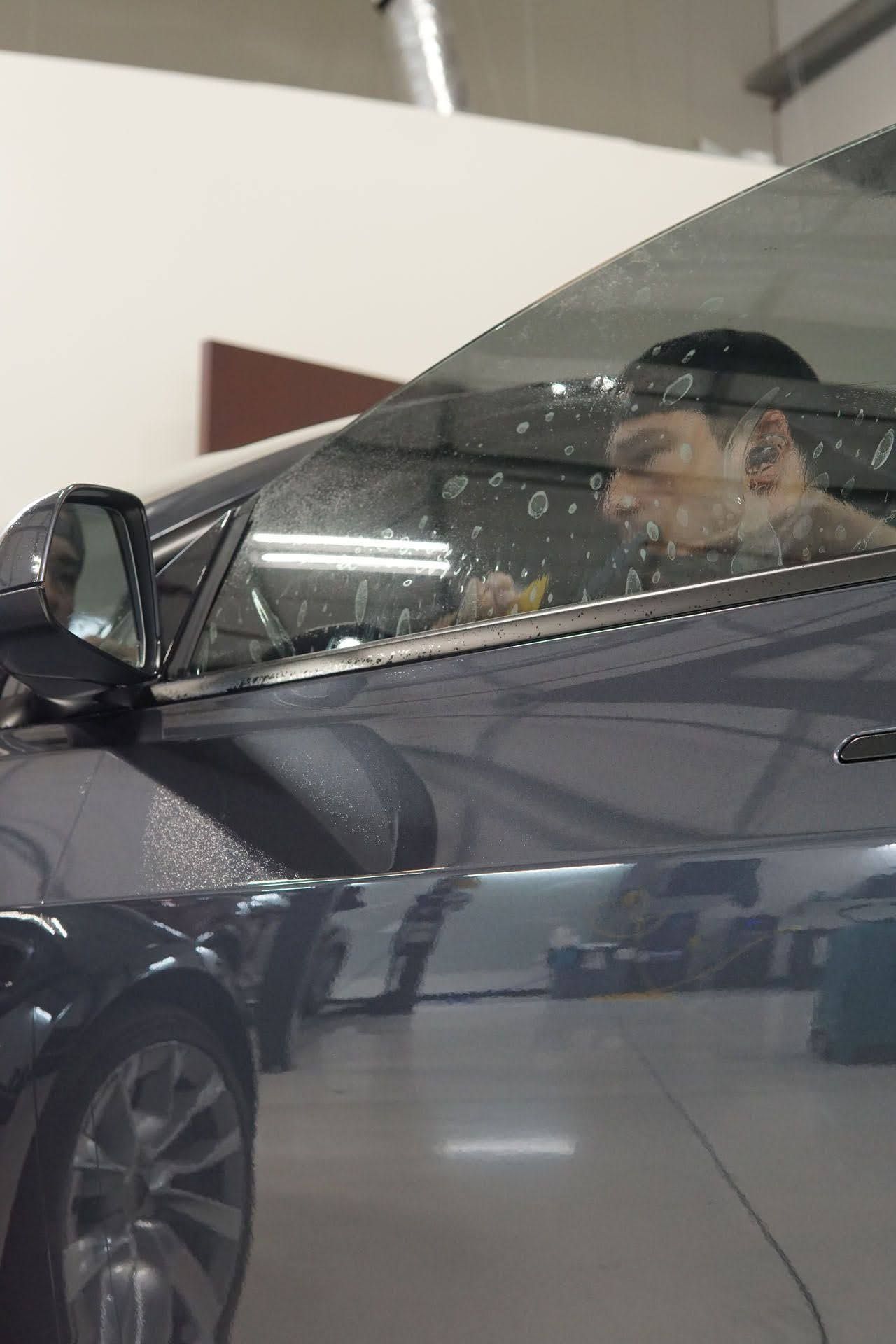
Window tint installation at Apex Auto Shield is completed by an XPEL-trained and certified team. The process begins with selecting a suitable film based on the vehicle, the owner’s goals, and the desired balance of appearance, heat rejection, and UV protection.
Professional installation supports even coverage across the glass included in the selected package. Careful preparation and application also help reduce the likelihood of bubbling, peeling, contamination, or uneven edges.
Poor-quality film or improper installation may affect clarity, appearance, adhesion, and performance. Working with a trained installer helps ensure that the selected product is applied correctly and performs as intended.

Maintaining Tinted Windows for Long-Term Protection
After installation, proper maintenance can help preserve the tint’s clarity and performance.
Cleaning methods are especially important because unsuitable chemicals, rough materials, or abrasive tools may affect the film’s surface or adhesive.
Cleaning Habits That Protect the Tint
Use cleaning products recommended by the film manufacturer or installer. Harsh or unsuitable chemicals may affect the appearance or adhesion of the tint over time.
A soft microfiber cloth and tint-safe cleaning solution can help remove dust, fingerprints, and residue without creating unnecessary abrasion. Regular cleaning also prevents buildup from affecting visibility or making the film appear dull.
Newly installed tint should be allowed to cure according to the installer’s instructions before the windows are cleaned or lowered. Following the recommended aftercare process helps the film maintain its appearance and performance throughout its expected service life.
Why Leander Drivers Prioritize Window Tint Interior Care
Leander’s sunlight, heat, and extended warm seasons can create challenging conditions for vehicle interiors. Cars that remain outdoors for long periods may experience more repeated exposure than vehicles regularly parked in garages or covered spaces.
Window tint interior care gives local drivers a practical way to reduce some of the UV exposure and solar heat reaching seats, dashboards, door panels, and trim.
Although tint cannot stop all interior aging, it can be an important part of a broader maintenance plan that includes regular cleaning, suitable conditioning products, covered parking when available, and proper vehicle care.
An Experienced Local Window Tint Provider
Apex Auto Shield has served Leander vehicle owners since 2019. Its trained team helps drivers select window film based on their comfort, appearance, and interior protection goals.
Choosing an experienced installer can help ensure accurate film placement, consistent coverage, and proper aftercare guidance. This supports the long-term appearance and performance of the tint while helping owners protect their vehicle interiors from daily sun exposure.
Maintain Your Vehicle’s Interior With Window Tint
Maintaining a vehicle’s interior involves reducing the sunlight and heat that can gradually affect seats, dashboards, door panels, and trim.
Window tint interior care offers Leander drivers a practical way to reduce UV exposure, reject a portion of incoming solar heat, and support the condition of cabin materials over time.
While window tint does not eliminate normal aging or the need for proper maintenance, it can help slow visible fading and deterioration while improving everyday cabin comfort.
Contact Apex Auto Shield today to
schedule a consultation and learn more about window tint interior care in Leander.
Get a QUICK QUOTE TODAY
General Contact