Dyed vs Carbon vs Ceramic Window Tint: Key Differences
Choosing the right automotive window tint involves more than selecting a darker appearance. Heat reduction, ultraviolet protection, visibility, and long-term durability all influence how well a film performs during everyday driving. At Apex Auto Shield in Leander, TX, we understand the importance of choosing window tint that delivers the right combination of comfort, appearance, and protection.
When comparing Dyed vs Carbon vs Ceramic Window Tint, we consider how each option manages sunlight, reduces glare, and maintains its appearance over time. Different film technologies offer different performance levels, making it important to understand their strengths before making a decision.
We install XPEL window tint packages suited to different needs. These comparisons help us discuss each vehicle's driving conditions and performance priorities.
How Dyed, Carbon, and Ceramic Window Tint Differ in Performance
Tint technologies manage sunlight differently. We explain why some prioritize affordability while others deliver stronger performance.
Dyed Window Tint and Its Basic Performance Characteristics
Dyed window tint is commonly selected for its dark appearance, increased privacy, and reduced visible glare. It can improve the appearance of automotive glass without requiring a premium investment.
However, conventional dyed films generally offer more limited heat rejection than advanced alternatives. Actual performance depends on the film's construction and specifications, making product quality an important consideration.
Carbon Window Tint and Its Performance Advantages
Carbon window tint offers a balance between appearance and heat management. Quality carbon-based films can provide better heat rejection than some conventional dyed alternatives while maintaining consistent color.
Carbon tint provides a useful comparison when evaluating appearance, durability, and heat reduction. At Apex Auto Shield, we focus our recommendations on the XPEL PRIME packages available through our services.
Ceramic Window Tint and Its Advanced Performance Benefits
Ceramic window tint is associated with advanced heat-rejection capabilities, strong UV protection, and consistent optical clarity. Higher-performing options can reduce substantial amounts of infrared energy while maintaining suitable visibility.
We compare product specifications because performance varies by film.
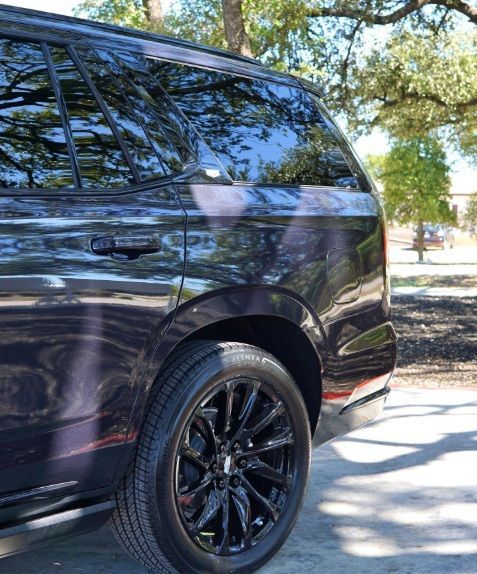
Heat Reduction Differences Between Dyed, Carbon, and Ceramic Window Tint
Solar heat management matters in Leander, TX, where prolonged sunlight can make driving uncomfortable.
How Dyed Tint Performs Against Solar Heat
Conventional dyed tint primarily reduces visible sunlight and glare. Although it can provide some solar heat reduction, its overall performance is generally more limited than advanced heat-rejecting films.
A darker dyed film does not automatically deliver greater heat rejection than a lighter film using higher-performance technology.
Carbon Window Tint and Improved Heat Management
Carbon-based films can offer improved heat management compared with certain conventional dyed products. Their performance depends on the specific design, quality, and tested solar energy rejection capabilities.
We recommend comparing actual ratings rather than assuming identical results.
Ceramic Window Tint for Greater Heat Rejection
High-performance ceramic films can reject substantial infrared energy, helping improve comfort during sunny driving conditions.
At Apex Auto Shield, our XPEL PRIME XR Black package offers 78% infrared heat rejection, while PRIME XR Plus provides up to 98%. These stated figures help explain the differences between our available film packages.
Why Heat Rejection Ratings Matter More Than Tint Darkness
Visible Light Transmission, or VLT, measures how much visible light passes through tinted glass. Infrared rejection describes performance against a particular portion of solar radiation, while total solar energy rejection considers a broader range of sunlight.
Shade percentage alone cannot establish overall heat rejection.
UV Protection Differences Between Window Tint Types
UV protection is another important consideration when selecting automotive window tint. We focus on verified protection ratings rather than assuming that one film category automatically delivers better results than every alternative.
UV Protection Capabilities of Dyed Window Tint
Dyed films can provide UV protection, although actual performance depends on their specifications. Darkness alone does not determine how effectively a film limits ultraviolet transmission.
We recommend checking manufacturer UV ratings.
Carbon and Ceramic Window Tint UV Resistance
Quality carbon and ceramic films may provide strong UV resistance, but their protection levels vary by product.
Our XPEL PRIME XR Plus package provides 99% UV resistance, making it a suitable option for drivers seeking strong UV protection and advanced heat rejection.
Why UV Protection Matters During Daily Driving
Frequent sunlight exposure can contribute to fading and deterioration of vehicle cabin surfaces. We consider UV resistance valuable for supporting long-term material preservation.
Effective window tint can help limit this exposure while also improving comfort during regular travel.
Appearance and Privacy Differences Between Dyed, Carbon, and Ceramic Tint
Appearance matters alongside performance. We consider color, darkness, privacy, and driving visibility.
The Dark Appearance of Dyed Window Tint
Dyed window tint is widely associated with a traditional dark finish. It can create a uniform appearance across automotive windows while reducing visible sunlight.
However, color consistency over time depends on film quality and resistance to fading.
Carbon Window Tint and Its Consistent Finish
Quality carbon-based films are commonly associated with stable, dark finishes. Their appearance can remain consistent over time when the film is properly manufactured, installed, and maintained.
We evaluate the complete product, not just its category.
Ceramic Window Tint and Flexible Shade Options
Ceramic films can deliver advanced heat management across different visible darkness levels. This allows performance and appearance to be considered separately.
We offer XPEL window tint options with different shade selections, allowing us to discuss privacy, comfort, and visibility together.
Understanding Privacy and Visible Light Transmission
Lower VLT percentages generally indicate darker tint and reduced visible light transmission. However, privacy also depends on surrounding lighting conditions.
We help identify appropriate shade levels while considering nighttime visibility and applicable Texas window tint requirements.
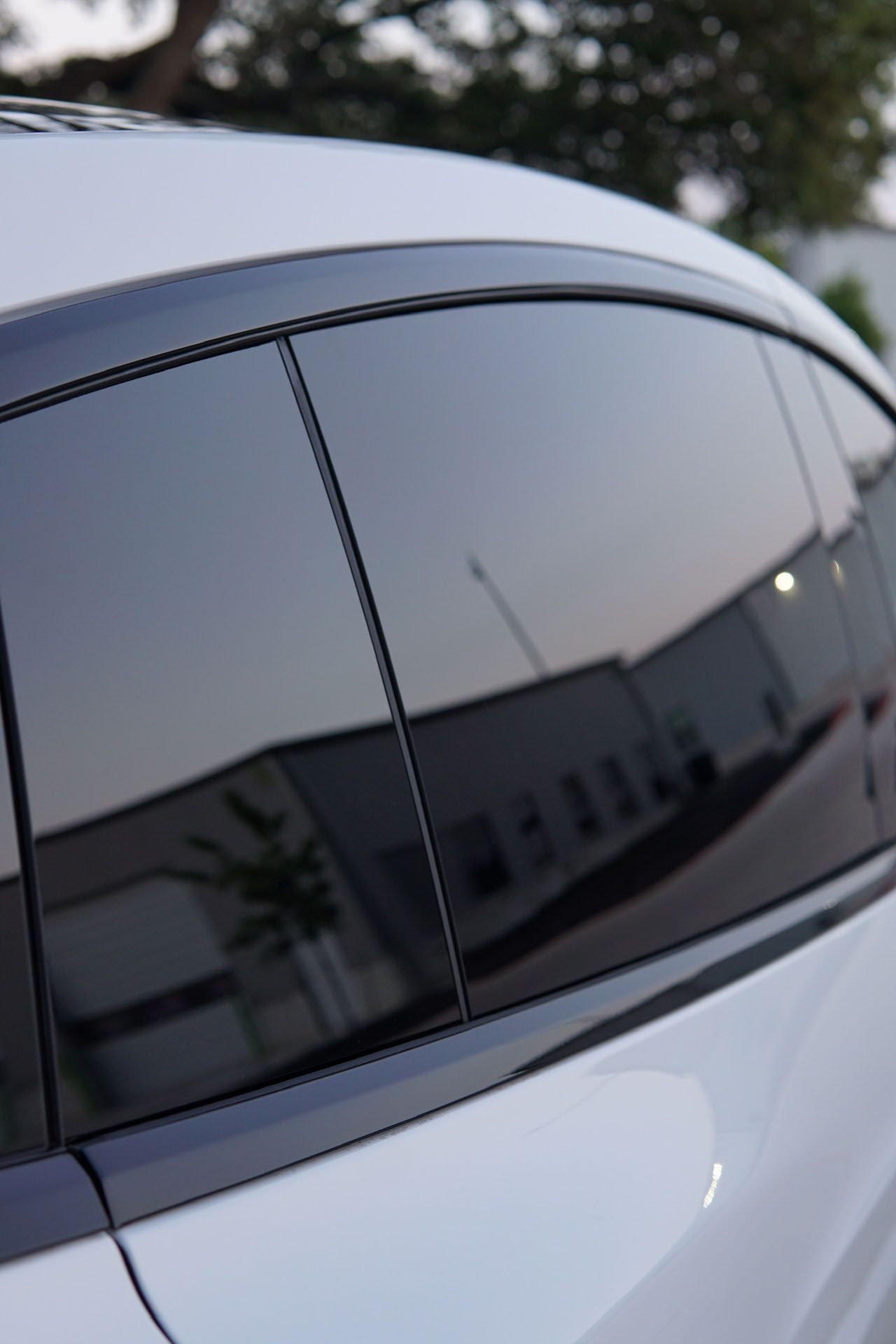
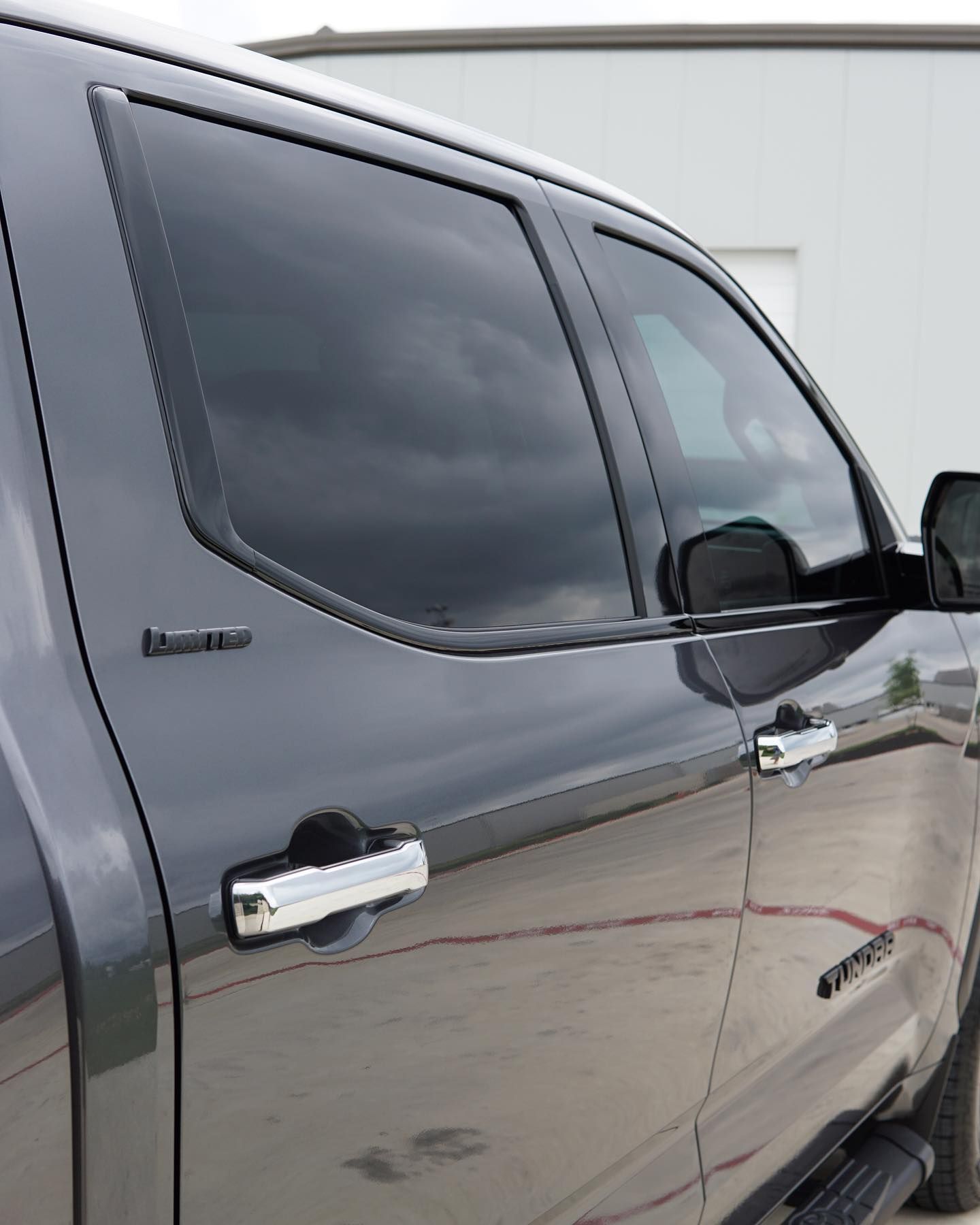
Durability and Long-Term Performance of Different Window Tint Films
Durability depends on film quality, installation, and care. Tint should maintain its appearance and functionality with regular use.
Color Changes and Fading in Dyed Window Tint
Some lower-quality dyed films may experience noticeable color changes after extended sunlight exposure. Premium dyed products may offer better color stability, so fading should not be treated as inevitable.
Product quality matters alongside initial appearance.
Color Stability and Performance of Carbon Tint
High-quality carbon films are known for color stability and resistance to fading. These characteristics matter when comparing the long-term appearance of tint technologies.
However, actual longevity depends on manufacturing quality, environmental exposure, and maintenance.
Long-Term Durability of Ceramic Window Tint
Premium ceramic films are designed to maintain strong performance and appearance over time. Their durability can support long-term value when combined with proper installation.
Our XPEL PRIME XR Black package also emphasizes long-term structural integrity.
How Professional Installation Affects Tint Longevity
Proper preparation and precise application help reduce installation-related issues such as bubbling, peeling, and uneven edges.
At Apex Auto Shield, we prioritize professional installation and careful workmanship to achieve a clean, consistent finish.
Which Window Tint Offers the Best Balance of Comfort, Appearance, and Performance?
Selecting window tint involves balancing practical priorities. We compare affordability, heat management, privacy, and durability because no single category suits every vehicle.
Choosing Tint Based on Budget and Appearance
When appearance, privacy, and affordability are priorities, an entry-level tint package may be suitable without advanced heat-rejection features.
Our XPEL PRIME CS Black package focuses on a bold appearance, improved privacy, and accessible pricing.
Choosing Tint for Better Heat Reduction
For greater comfort in Leander's sunny conditions, advanced heat-rejecting films deserve consideration.
We offer PRIME XR Black and PRIME XR Plus for drivers seeking stronger infrared heat rejection than our appearance-focused package.
Choosing Tint for Long-Term Value
Long-term value also depends on durability, UV protection, heat rejection, and consistent appearance.
A film with stronger performance characteristics may provide greater practical benefits when sunlight exposure and driving comfort are major priorities.
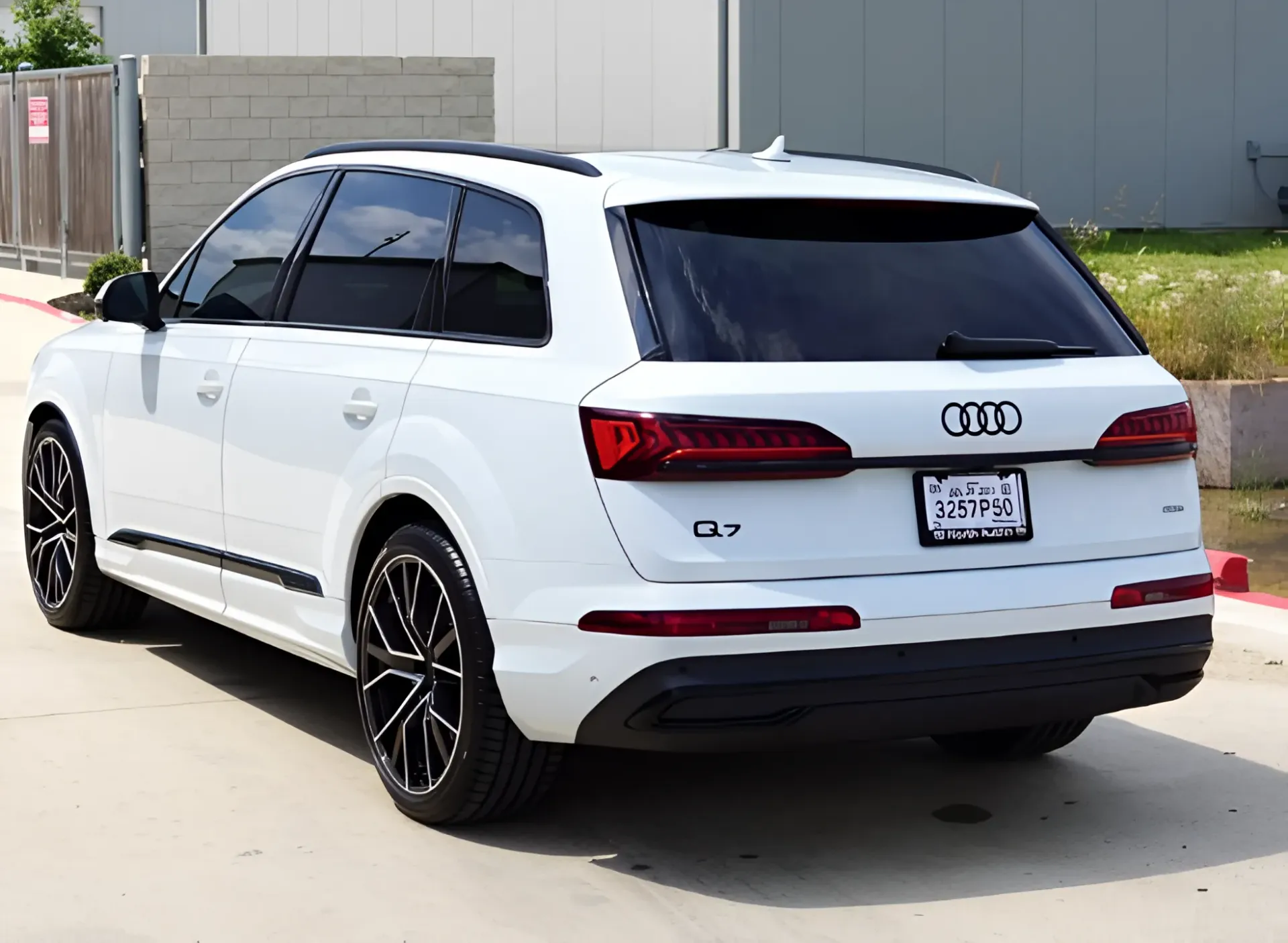
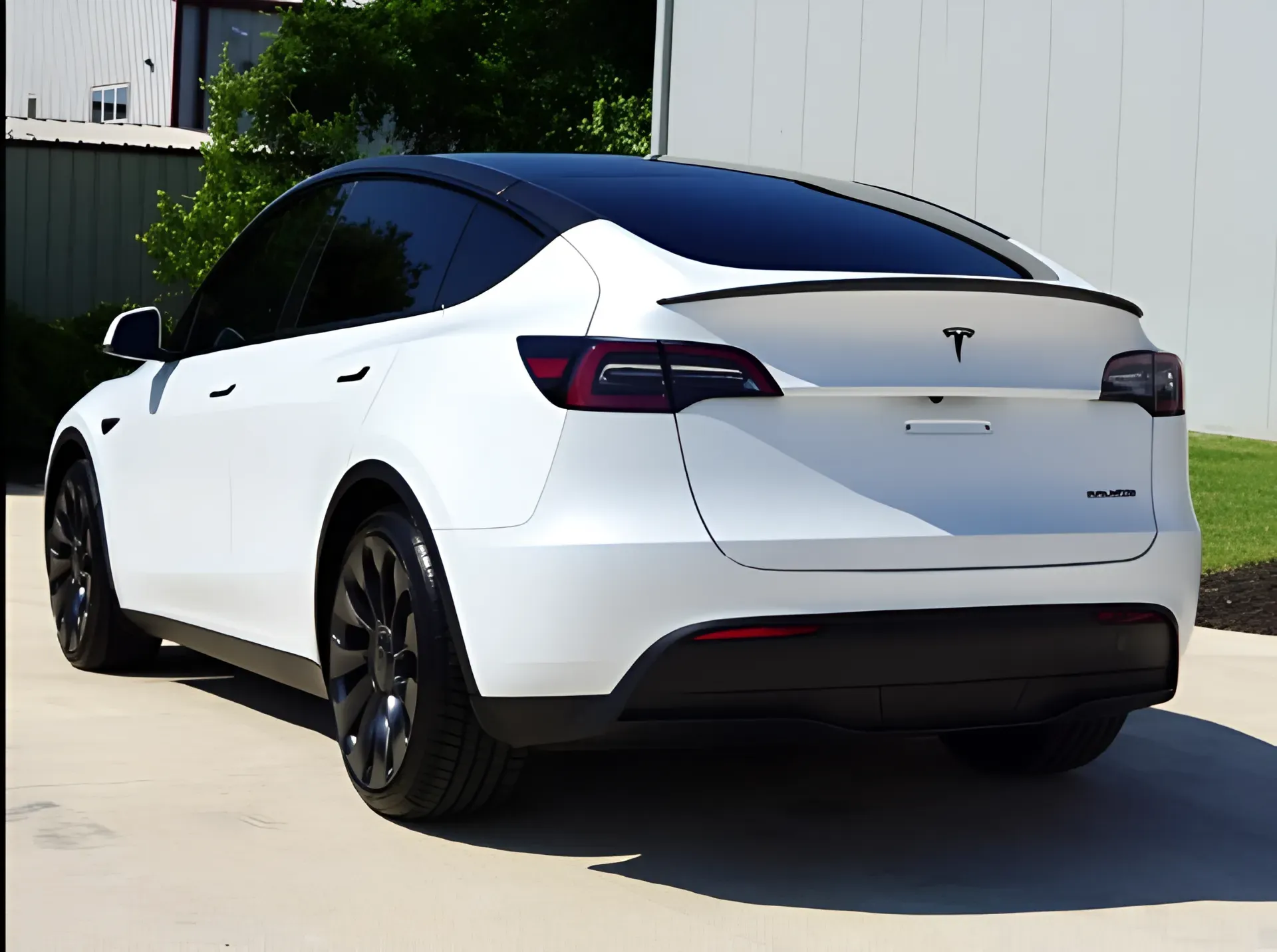
Professional Window Tinting Options at Apex Auto Shield in Leander, TX
At Apex Auto Shield, we offer professional XPEL window tint installation with three performance-focused packages. Our options allow us to address different preferences for appearance, heat reduction, and UV protection.
XPEL PRIME CS Black for Style and Privacy
Our PRIME CS Black package provides a bold, refreshed appearance with enhanced privacy at a budget-friendly price.
It offers a 12% boost in infrared heat rejection and suits appearance-focused tinting preferences.
XPEL PRIME XR Black for Enhanced Heat Rejection
Our PRIME XR Black package provides 78% infrared heat rejection, offering an upgrade in driving comfort and solar heat management.
We recommend considering this option when stronger heat reduction and lasting performance are important priorities.
XPEL PRIME XR Plus for Premium Heat and UV Protection
Our PRIME XR Plus package delivers up to 98% infrared heat rejection and 99% UV resistance.
This premium option focuses on advanced sunlight protection and improved comfort during regular driving throughout the Leander area.
Choose the Right Window Tint With Apex Auto Shield
Understanding Dyed vs Carbon vs Ceramic Window Tint helps clarify how appearance, heat rejection, UV protection, and durability differ between film technologies. We believe the right selection should reflect performance needs rather than darkness alone.
At Apex Auto Shield in Leander, TX, we provide professional window tint installation using XPEL PRIME CS Black, PRIME XR Black, and PRIME XR Plus. Our team focuses on quality products, precise installation, and dependable service.
For professional window tinting in Leander, TX,
contact Apex Auto Shield to explore our XPEL PRIME packages and find the right balance of privacy, heat reduction, and appearance for your vehicle.
Get a QUICK QUOTE TODAY
General Contact