Best Time to Schedule Professional PPF Installation: A Complete Guide for Car Protection
If you've just bought a new car, protecting its paint job is probably high on your list. Paint protection film, or PPF, is a clear layer that acts like a shield against scratches, dirt, and fading from the sun. But when exactly should you get this protective film installed to make sure it does the best job? Timing can make a big difference in how well the film sticks and lasts. In this guide, we'll walk you through the best moments to schedule your PPF installation so your car stays looking fresh for years.
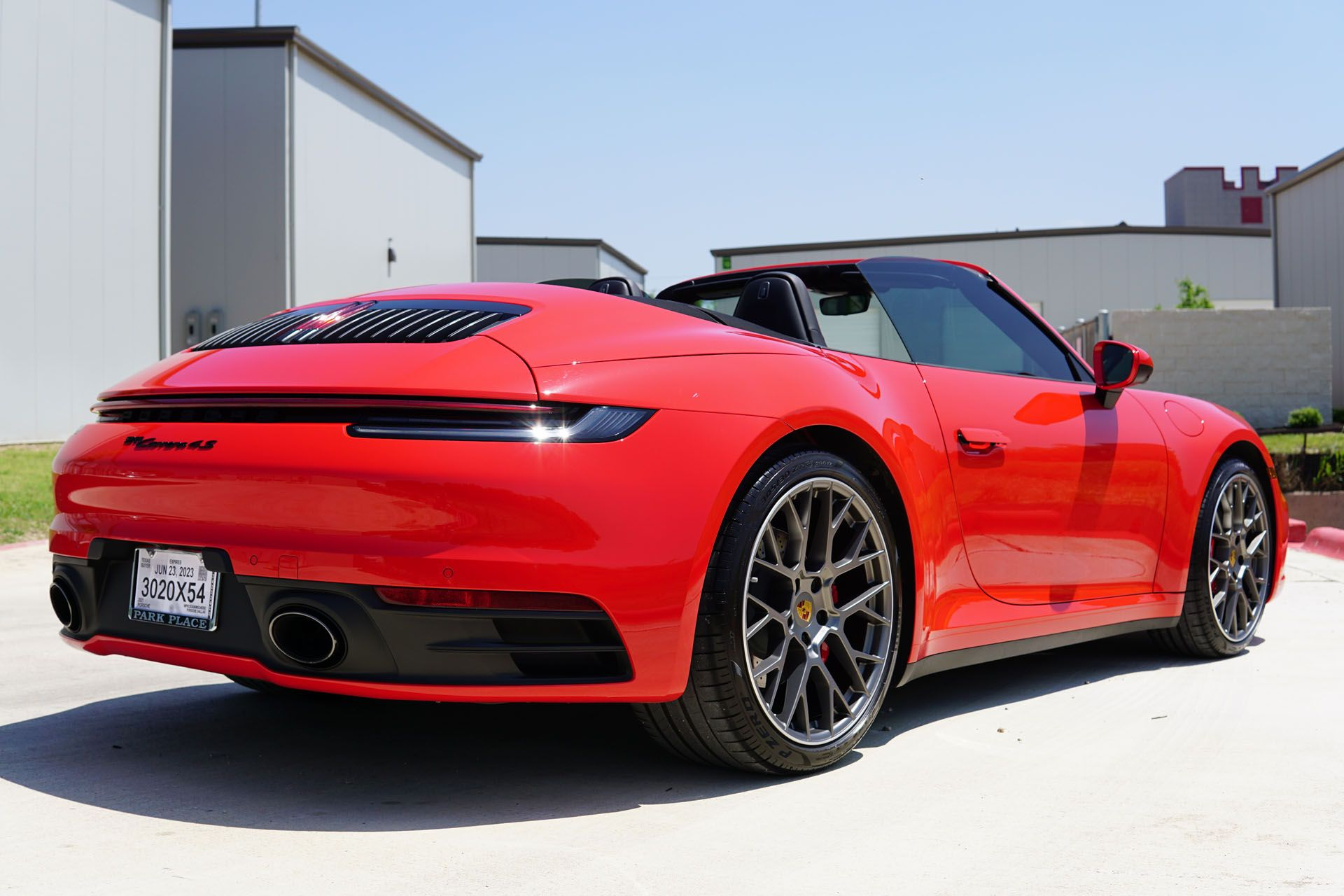
The best time to schedule professional PPF installation is within the first week of purchasing a new vehicle, ideally before it leaves the dealership. Early installation protects pristine paint from environmental hazards like gravel, UV rays, and road debris, preserving your car's appearance and resale value. If immediate installation is not possible, aim to have it done within the first month, taking care to address any minor imperfections beforehand for optimal adhesion and finish.
Factors Influencing PPF Installation
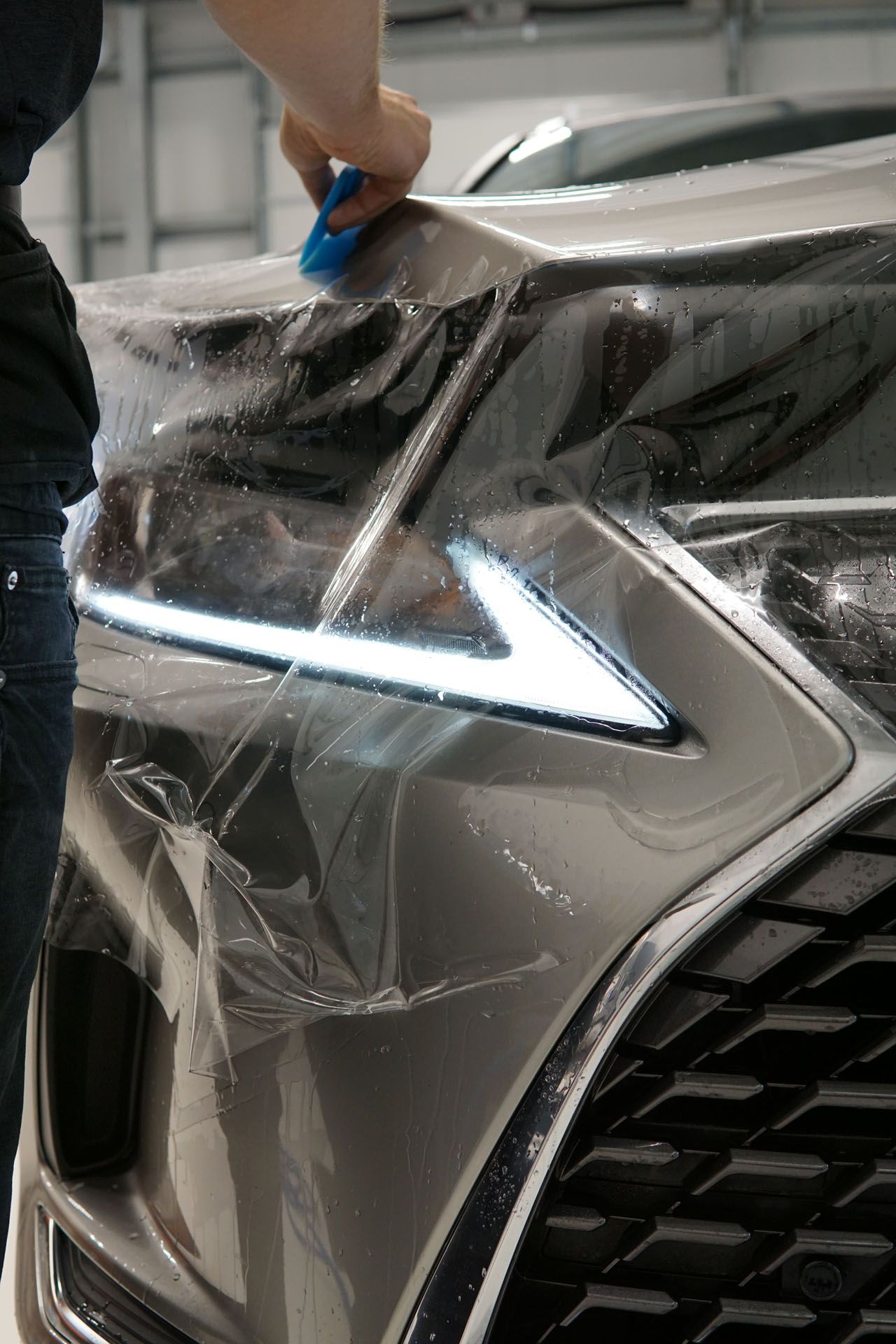
The success of a PPF installation depends heavily on the environment where the work takes place. Dust particles, moisture in the air, and temperature all play critical roles in how well the film adheres to your vehicle's surface. Think of it like applying a transparent cover to a freshly cleaned surface. If a single speck of dust gets trapped underneath, it won't just look unsightly but can also compromise the bond. Similarly, installing PPF on a humid day risks trapping tiny water droplets that later form bubbles, which not only affect appearance but can also cause long-term adhesion problems.
Temperature deserves special attention because it affects the film's flexibility and adhesive performance. When it's too cold, below about 60°F (15°C), the material becomes stiff and less pliable, making it difficult to conform to the car's curves and crevices. Conversely, excessively high temperatures above 90°F (32°C) may cause the adhesive to cure prematurely, leading installers to rush or misalign the film. Professionals typically recommend performing installations within an optimal window of roughly 60°F to 80°F (15°C to 27°C), balancing flexibility with reliable adhesive activation.
Surface cleanliness is equally important. Fresh car washes or waxing treatments leave residues and moisture that must be fully dried before applying PPF. A surface that looks clean might still harbor oils or polishing agents invisible to the naked eye, yet potent enough to prevent proper bonding. Installers usually follow thorough cleaning protocols and require a waiting period of at least 24 hours after washing to ensure the surface is completely dry and uncontaminated.
Prior paintwork condition also matters. If your vehicle has recent touch-up paint or minor repairs, drying time varies depending on the extent of the work. Small repairs might require only a day of curing before PPF application, while larger repainted sections often need up to a month to allow full chemical curing. Always communicate any recent touch-ups to your installer so they can adjust their technique and avoid adhesion issues.
Scheduling Around Your Lifestyle
Beyond weather and surface conditions, your schedule plays a bigger role than most car owners realize. PPF installation typically takes anywhere from a few hours to a full day depending on the coverage area, and partial hood and mirror packages differ greatly from full body wraps. Planning your appointment during a period when you can leave the car with the installer without feeling rushed is key.
Avoid scheduling right before a road trip or any event where the vehicle will be exposed to rain, dust, or debris within the first 48 hours post-installation. The adhesive needs time to fully cure, and early exposure to harsh conditions can compromise that process. If your schedule allows, plan a buffer of at least two to three days after installation before returning to heavy daily use.
It's also worth noting that installer availability tends to vary throughout the year. Booking well in advance, at least two to three weeks ahead, gives you the flexibility to choose a time slot that works for both you and the shop rather than accepting whatever opening is left. Rushed scheduling often means rushed installations.
Choosing the Right Installation Location
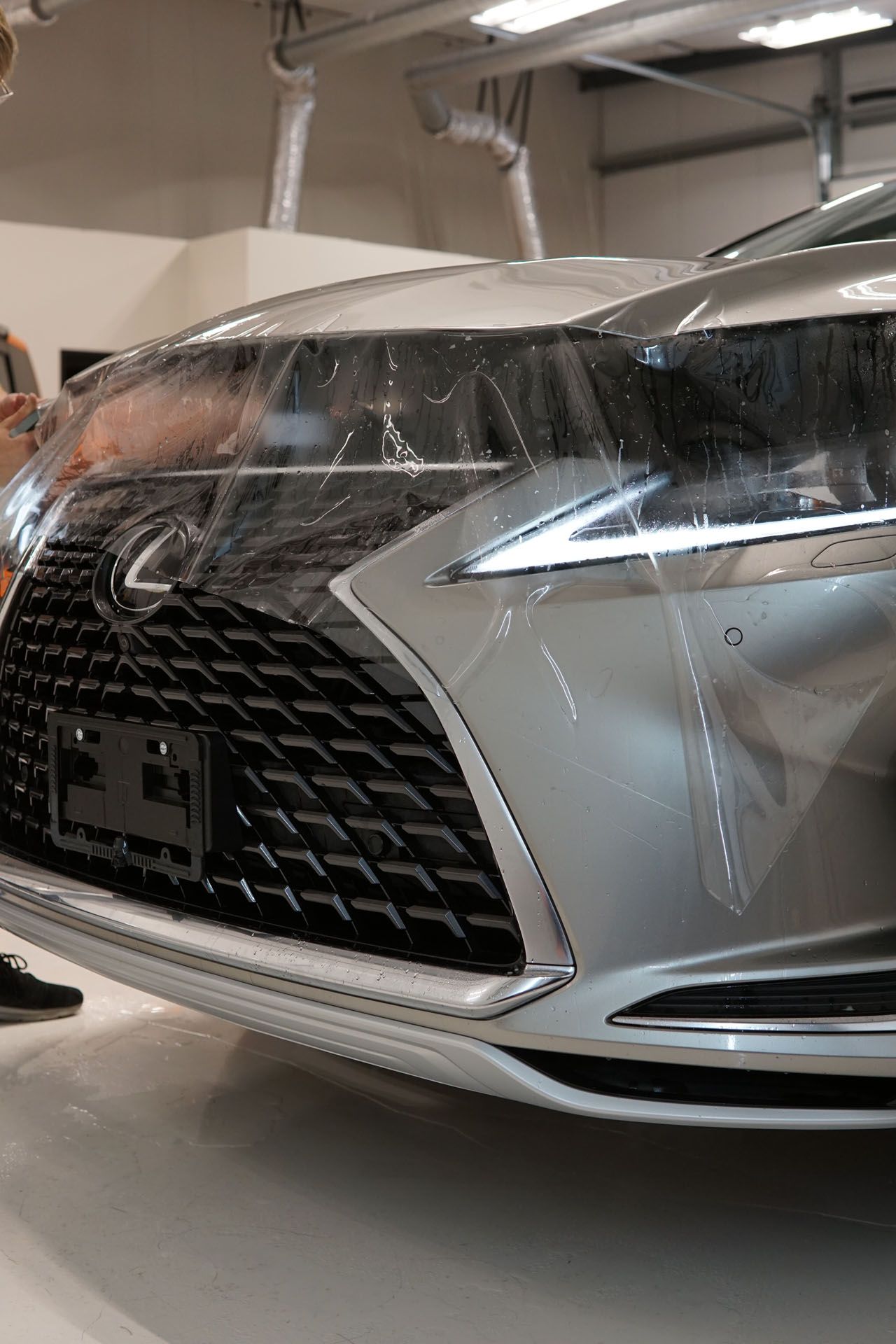
When it comes to PPF installation, location is an active factor in how well your vehicle will be protected. The best installations happen inside indoor, climate-controlled facilities where dust, temperature, and humidity are tightly managed. Even the tiniest speck of dust settling under the film during application can cause bubbles or imperfections that affect both appearance and protection.
Temperature and humidity control prevents film stretching or adhesive failures during and after installation. Excess moisture can ruin the bond between your car's paint and the film, while unstable temperatures may cause premature peeling or warping. Seeking out a specialized PPF shop or reputable detailing facility with enclosed bays specifically designed for film work is essential. These facilities maintain controlled conditions to ensure your vehicle receives the best possible protection from day one.
Beyond the physical space, installer expertise matters just as much as the environment. Even the most controlled setting cannot compensate for inexperienced hands or rushed workmanship. Visiting shops to assess their facilities firsthand offers insight into their professionalism and commitment to quality results.
Initial Care After Installation
The first 48 hours following PPF application are the most critical period for ensuring the film's longevity. During this window, the adhesive is still curing and has not fully bonded to the paint. Exposure to water, whether from washing or rain, can interfere with this bonding process and potentially create bubbles or compromise adhesion. Keeping your vehicle in a garage or covered environment during these early days provides an ideal setting for the film to set undisturbed. Handle your vehicle gently during this initial period. Avoid scraping off dirt or debris with abrasive materials, and skip parking under trees where sap or bird droppings could land on the film before it is fully cured.
During the first month, adopt a gentle cleaning routine. Avoid abrasive cleaners and polishes, as they may contain harsh chemicals or rough particles that can scratch or weaken the film surface. Instead, hand wash your car using a mild, pH-neutral soap. High-pressure washers should also be avoided at this stage, as the intense jet stream can lift edges and force water underneath the film. Using a soft sponge or microfiber cloth ensures thorough cleaning while keeping pressure low and controlled. Regularly inspect your PPF during this time by gently checking edges for lifting or discoloration that might suggest premature wear. If anything looks concerning, contact your installer promptly for advice, as early intervention can prevent costly repairs later.
Long-Term Maintenance Tips
Proper upkeep is the key to extending your PPF's life well beyond installation. Washing your car every one to two weeks using a pH-neutral automotive soap removes dirt and grime without stripping the film. This routine is especially important in regions with harsh sun or heavy rainfall, where buildup can dull or damage the film prematurely.
Regular inspections are equally essential. The film can develop small bubbles or lifting edges from environmental stressors or improper installation. A detailed monthly check-in in good daylight lets you catch these issues early before they worsen. Small imperfections can often be corrected quickly by a professional installer, saving you from larger repairs down the line.
Applying a PPF-compatible sealant about twice per year also helps maintain hydrophobic properties, meaning water beads and rolls off easily, taking dirt with it. This makes cleaning easier and enhances UV resistance to guard against yellowing and fading. Always choose products specifically recommended for use on paint protection film, as harsh chemicals or generic waxes can degrade the film's protective qualities and shorten its lifespan.
Tailor your maintenance to your regional climate as well. In areas where road salt is common, more frequent washing becomes necessary to prevent corrosive damage. In sunnier climates, parking in shade or using a car cover reduces UV exposure that can break down the film over time. Consistency and informed product choices are what ultimately allow your PPF to perform at its best, preserving your vehicle's appearance mile after mile.
Precision Protection for Your New Investment
Timing your PPF installation correctly is only part of the equation. Choosing the right professionals makes all the difference in how well your protection performs long-term. Apex Auto Shield provides
expert paint protection film services in Leander, TX, installing high-quality film in a controlled environment designed for proper adhesion, clean alignment, and long-lasting clarity. Whether you just purchased a new vehicle or want to safeguard your current one, our team ensures your paint receives reliable coverage built for Texas roads and weather.
Schedule your PPF installation with Apex Auto Shield in Leander, TX and protect your vehicle from day one!
Get a QUICK QUOTE TODAY
General Contact