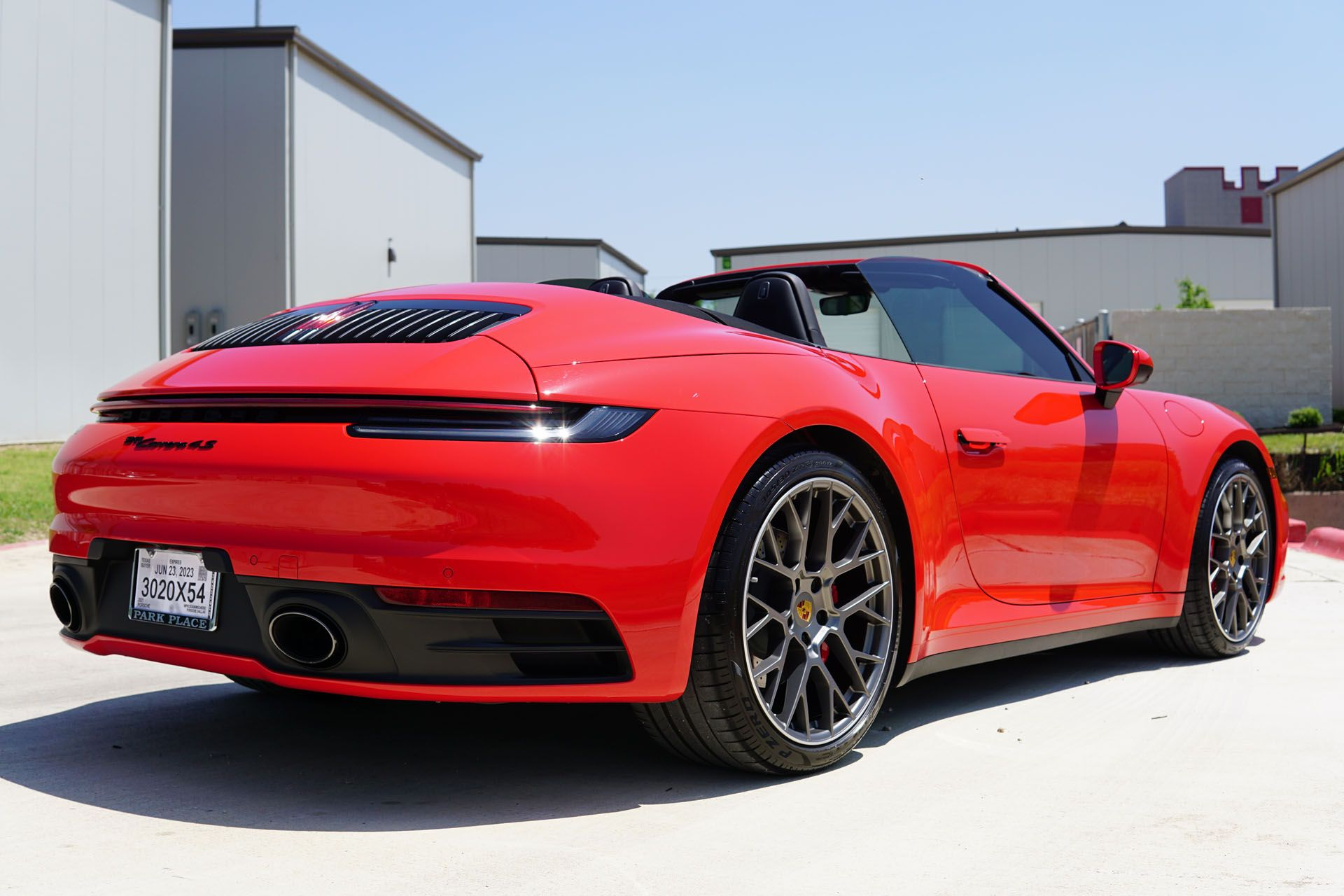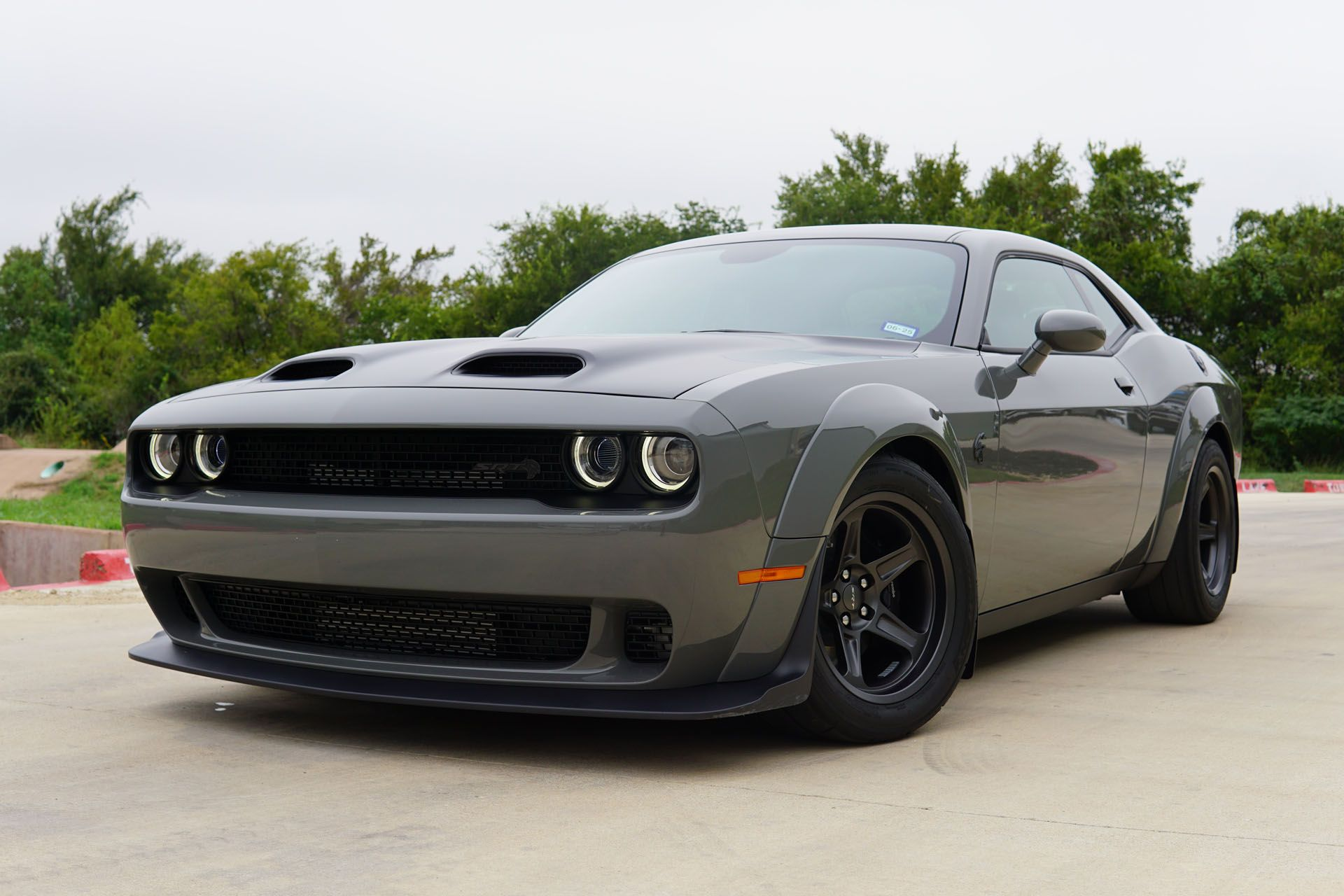
The Science Behind Pro-Grade Ceramic Coating: Technology and Durability Explained
Ceramic coating might sound like something reserved for scientists and engineers, but it is actually the secret behind some of the toughest, longest-lasting protection available for your vehicle today. What makes these coatings special is not just their strength; it is how they chemically adhere to a car's paint surface at a microscopic level, creating a shield that resists heat, weather damage, and environmental contaminants for years. Understanding the technology behind pro-grade ceramic coating helps illustrate why such a coating is not just any protective layer; it is a carefully crafted armor designed to keep your vehicle looking and performing its best over time.
Pro-grade ceramic coatings use special silicon dioxide (SiO₂) or silicon carbide (SiC) materials that stick to a car's original paint, forming a very thin, strong, and water-repellent layer. This layer provides long-lasting protection by resisting environmental contaminants, UV damage, chemical etching, and surface wear while enhancing gloss and making your car significantly easier to maintain through its water-repellent properties.
Why Surface Preparation Makes or Breaks the Coating
A durable, long-lasting ceramic bond starts with precise and thorough surface preparation. This stage might seem tedious, but it is absolutely fundamental for success. A car's paint surface often carries microscopic contaminants such as road oils, industrial fallout, dust, or remnants of previous waxes and sealants, any one of which can prevent the coating from properly bonding. Professionals rely on rigorous cleaning routines, typically starting with high-purity solvents that strip away unwanted residues effectively, leaving a pristine paint surface ready to receive the coating.
A thorough decontamination process, including clay bar treatment to remove embedded surface particles, is equally critical. Without this step, the coating risks trapping imperfections underneath that become weak points over time. Paint correction is another important preparation step. Any existing surface damage, oxidation, or water spots should be addressed before application, because once the ceramic coating bonds to the paint, it locks in whatever condition the surface is in. Skipping this step compromises the final result significantly, no matter how premium the coating product may be.
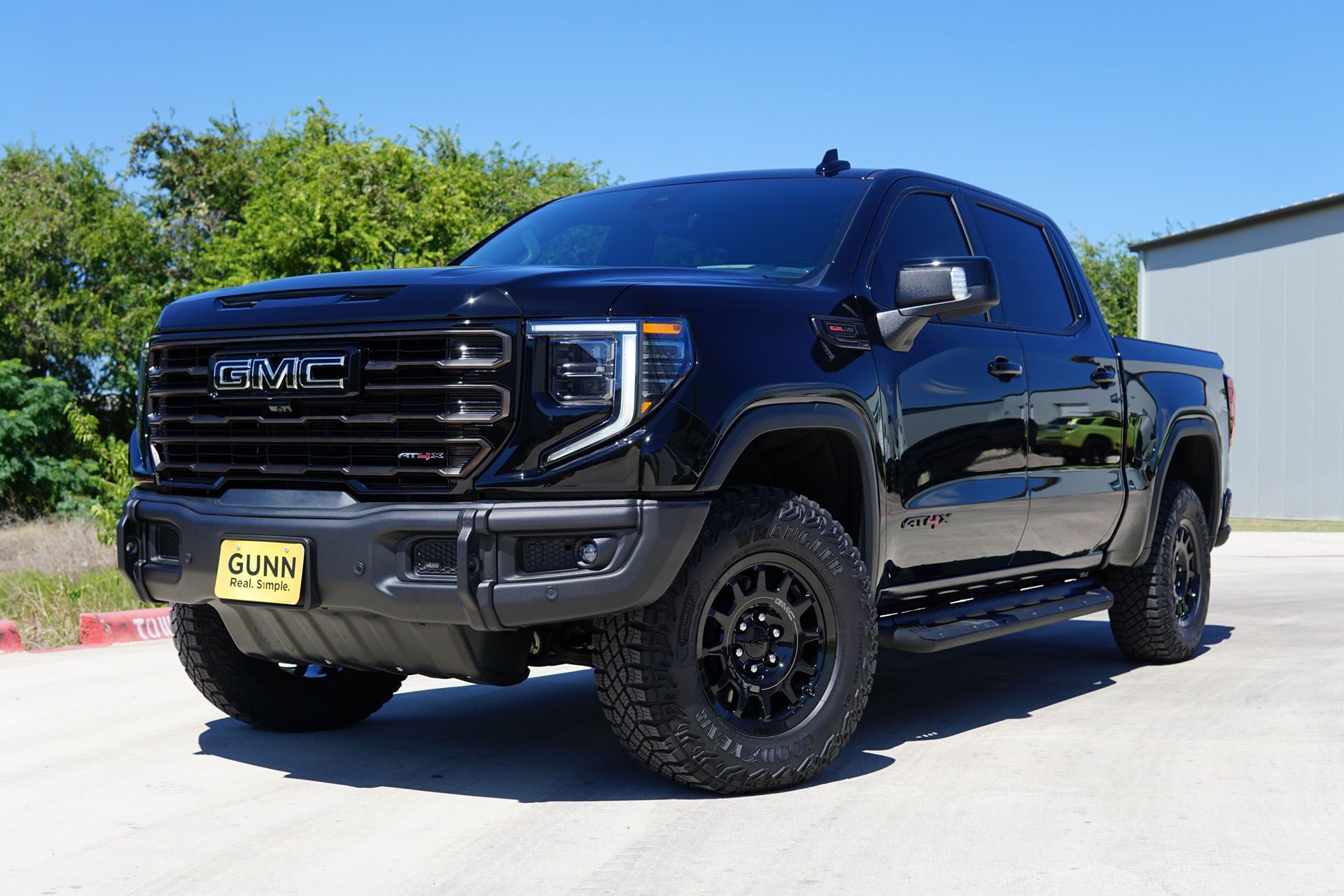
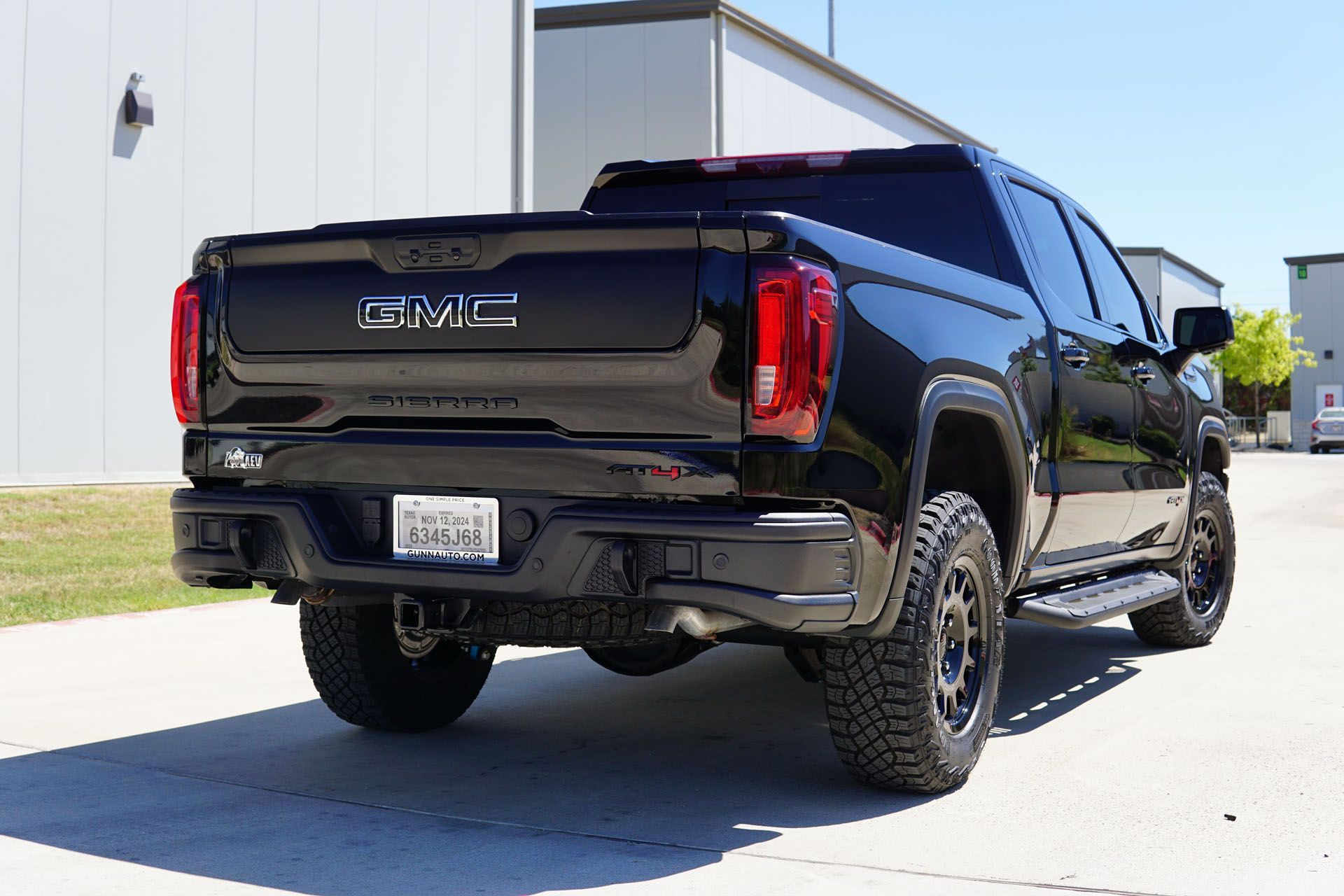
How Ceramic Coating Chemically Bonds to Your Car's Paint
The chemistry behind ceramic coating is what separates it from traditional waxes and paint sealants. When a liquid ceramic coating is applied to a car's paint, it undergoes a process called polymerization during curing, where small molecules chemically link together to form an extensive molecular network. This web does not simply sit on top of the paint; it integrates with the surface at a nano level, creating a bond that is far more durable than anything a conventional wax can achieve.
Silicon dioxide, the primary compound in most automotive ceramic coatings, brings exceptional hardness and resistance to heat, making it ideal for a vehicle that is constantly exposed to the elements. Silicon carbide, used in higher-grade formulations, contributes excellent thermal conductivity and mechanical strength, boosting the coating's resilience against intense sunlight, road debris, and temperature fluctuations experienced daily on the road. Together, these compounds form a coating that balances rigidity with enough flexibility to handle the stresses a car encounters every day, from extreme summer heat to freezing winter temperatures.
The hydrophobic nature of the cured coating also encourages water to bead and roll off the vehicle's surface, carrying dirt and contaminants along with it. This self-cleaning effect not only keeps your car looking cleaner between washes but also protects the paint from corrosive substances like acid rain, bird droppings, and road salts that could otherwise cause serious long-term damage.
Why Professional Installation Matters
Ceramic coating application is not a process that rewards shortcuts. The way the coating is applied directly determines how well it bonds and how long it lasts on your vehicle. Professional installers apply the coating in controlled environments, carefully working panel by panel to ensure even coverage without high spots, streaking, or uneven thickness.
After application, the coating requires careful curing conditions, typically a clean, dry environment protected from moisture and dust for at least 24 hours. Full chemical bonding and hardening continue developing over several weeks, during which the vehicle should be kept away from heavy rain, car washes, and harsh conditions. Only after this curing period does the coating reach its maximum protective strength. Rushing this process or exposing the vehicle too early compromises durability significantly.
Environmental variables during application also matter greatly. Temperature and humidity levels must fall within specific ranges to ensure thorough polymerization, which is the conversion of the liquid coating into a rigid, integrated solid. Professional ceramic coating installers understand and control these variables, which is one of the primary reasons professional results outlast consumer-grade applications by a considerable margin.
How Long Does It Actually Last?
One of the most common questions car owners ask about ceramic coatings is how long they can expect the protection to last. The answer depends heavily on the quality of the coating formulation, the thoroughness of surface preparation, and how well the vehicle is maintained afterward. High-quality, professional-grade coatings are engineered to retain approximately 85 to 90 percent of their bond strength even after extensive thermal cycling, which means years of exposure to sun, rain, and temperature changes without significant degradation.
Coating durability is verified through standardized industry testing. Ultrasonic and microscopic testing methods are used to assess bond integrity, while pull-off tests measure the actual force required to separate the coating from the paint surface. Fatigue testing simulates years of real-world stress by subjecting coated surfaces to repeated cycles, confirming that the coating maintains meaningful protection well beyond what traditional waxes or sealants could offer. Coatings that meet benchmarks such as ISO and ASTM standards provide a verified level of performance rather than relying solely on marketing claims.
What Ceramic Coating Actually Protects Against
Understanding what ceramic coating genuinely protects against helps set realistic expectations for vehicle owners. The coating excels at defending paint against UV radiation, which over time causes oxidation and color fading that dulls a vehicle's appearance. It provides strong resistance to chemical contaminants, including bird droppings, tree sap, road salts, and acid rain, all of which can etch into unprotected paint if left untreated. The hardness of the cured ceramic layer also offers meaningful resistance to light surface marring from everyday contact, though it is important to understand that no coating eliminates all risk of paint damage. It significantly raises the threshold at which the paint beneath becomes vulnerable, giving your vehicle's finish considerably more time and resilience compared to unprotected or conventionally waxed paint.
The coating's hydrophobic properties deliver ongoing practical benefits as well. Water beads and sheets off the surface efficiently, reducing water spot formation and making routine washing faster and less labor-intensive. Dirt and road grime have a harder time bonding to the slick ceramic surface, meaning your car stays cleaner longer between washes.
The Value of Investing in Pro-Grade Ceramic Coating
For vehicle owners who take pride in maintaining their car's appearance and value, pro-grade ceramic coating represents one of the most effective long-term investments available. Unlike waxes that wash away within weeks or sealants that degrade within months, a professionally applied ceramic coating delivers protection measured in years, not weeks. The technology behind these coatings continues to advance, with newer formulations incorporating enhanced compounds that further improve heat resistance, surface hardness, and hydrophobic performance. As the science matures, ceramic coating is becoming not just the preferred choice for enthusiasts but the practical standard for anyone who wants their vehicle protected, preserved, and performing its best for the long road ahead.
Long-Term Gloss Starts Here
The technology behind
pro-grade ceramic coatings deserves expert installation, and Apex Auto Shield delivers exactly that in Leander, TX. With careful paint preparation and precision application, our ceramic coatings create a resilient barrier that helps maintain clarity, depth, and hydrophobic performance for years. Your vehicle benefits from protection tailored to local driving conditions and extreme Texas weather.
Schedule your ceramic coating appointment with us today and secure lasting performance for your finish!
Get a QUICK QUOTE TODAY
General Contact